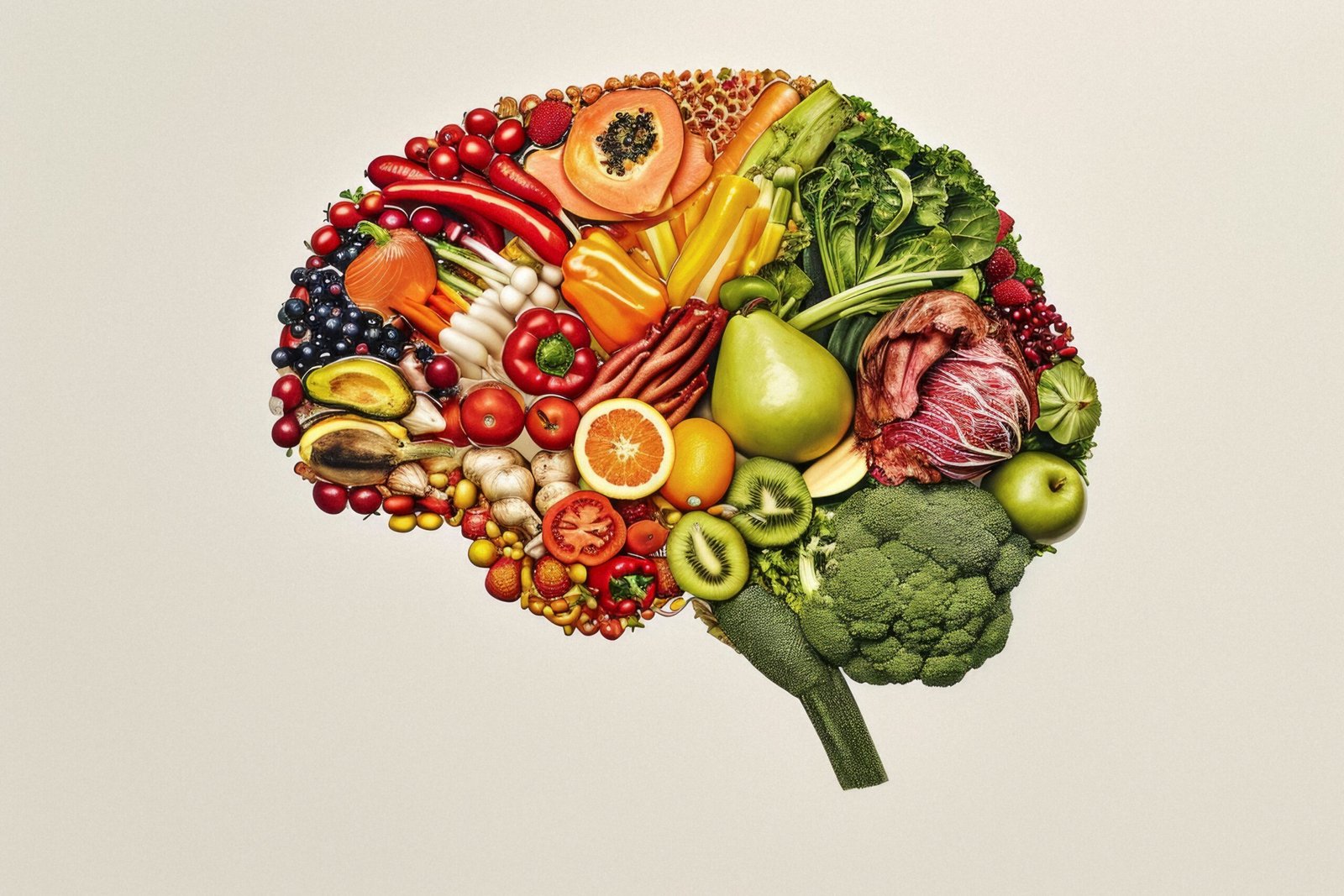
The Hormone Shift You Can Feel
If you’re in your 40s or 50s and suddenly noticing changes in your energy, weight, digestion or mood, you’re not imagining it – you’re navigating one of the most complex biological shifts of your life.
Menopause isn’t just about hot flushes and missed periods. Behind the scenes, falling oestrogen levels reshape everything from how you store fat to how your gut moves, how your brain regulates sleep, and how your immune system responds to stress. For many women, it also means new health goals: preventing weight gain, reducing long-term risk of heart disease or osteoporosis, and simply feeling like themselves again.
That’s why HRT and medications like GLP-1 receptor agonists (Ozempic, Wegovy) are becoming part of more midlife wellness conversations, and for many, they can be helpful tools. But they’re only one part of the picture. Because while your hormones may be changing, your food still builds the terrain they operate in.
What you eat can shape your gut, your metabolism, your mood and your long-term health trajectory. And in a time when your body may feel less predictable than ever, a steady, supportive nutrition habit can be the anchor that helps you stabilise.
In this article, we explore how menopause affects metabolism, gut health and cardiometabolic risk – and how simple, whole-food solutions like FiiHii Frinks® can help midlife women support their bodies from the inside out.
Menopause Isn’t Just Hormones – It’s Metabolic
Most people think of menopause as a hormonal event – which it is. But what often gets less airtime is just how deeply those hormonal shifts affect your metabolism: how your body handles energy, stores fat, builds muscle, and regulates blood sugar. If it feels like your body’s running on a different setting in your 40s and 50s, that’s because it is.
At the heart of it all is oestrogen. While best known for its role in reproduction, oestrogen also plays a crucial role in regulating metabolism, inflammation, body fat distribution, and how your cells respond to insulin. As oestrogen levels decline during the menopause transition, that protective influence fades – and almost every system in the body feels the shift (1).
What’s Actually Happening in Your Body?
Menopause is triggered by the ovaries running out of responsive follicles. This causes a breakdown in the usual feedback loop between the brain and ovaries (called the HPO axis), leading to a sharp drop in both oestrogen and progesterone. In the early stages (perimenopause), hormone levels can swing wildly, high one cycle, low the next, which can cause irregular periods and symptoms like hot flushes or mood changes. Eventually, once the ovaries stop responding altogether, hormone levels fall to consistently low levels, and this is when postmenopause begins (1).
This hormonal “afterburn” has effects far beyond your reproductive system. Here’s how it plays out across the body:
- Fat redistributes, often moving from hips and thighs to the abdomen – a pattern associated with higher risk of metabolic syndrome and cardiovascular disease.
- Muscle mass declines faster than expected, leading to changes in body shape and a drop in basal metabolic rate – meaning you burn fewer calories at rest.
- Insulin sensitivity drops, making blood sugar harder to regulate and increasing the risk of type 2 diabetes.
Cholesterol levels shift, with LDL (bad) cholesterol often rising, HDL (good) cholesterol falling, and blood vessels becoming more vulnerable to damage. - Bone density decreases, especially in the first 5–10 years after menopause, raising the risk of osteoporosis.
- Skin and hair change too – with collagen loss, dryness, and sometimes thinning hair or facial hair changes due to shifts in the oestrogen–androgen balance.
- Mood, sleep, and cognition are often affected. Oestrogen normally supports neurotransmitters like serotonin and dopamine, and its loss can contribute to anxiety, low mood, brain fog, and disrupted sleep (especially if hot flushes wake you up at night) (1).
Why Nutrition Now Matters More Than Ever
As your hormones change, your metabolism recalibrates – and continuing to eat the same way you did in your 30s may no longer serve your body. Without some thoughtful adjustments, many women experience gradual weight gain (especially around the middle), stubborn fatigue, and increased risk of chronic diseases like heart disease, diabetes, and osteoporosis (2).
Here’s what the research shows:
- Your energy needs drop. With a lower basal metabolic rate, you burn fewer calories at rest, so even unchanged eating habits can lead to weight gain, typically ~1-2 kg per year after menopause.
- Your glucose metabolism shifts. Oestrogen normally helps your muscles use glucose efficiently. Without it, your body becomes more insulin resistant, increasing the risk of central obesity and high blood sugar.
You need more of some nutrients. Calcium, vitamin D, magnesium, protein and B vitamins all become more important to protect bone, muscle and mood (2).
But here’s the empowering part: many of these risks are modifiable. By adjusting your nutrition, eating more fibre, plant-based foods, lean proteins, and healthy fats, you can work with your new metabolic landscape instead of against it. You can’t replace oestrogen with food, but you can give your body the tools it needs to stay strong, steady and supported during this transition.
Gut, Hormones and Sleep: The Overlooked Trio of Midlife Wellbeing
When women enter the menopausal transition, the symptoms they expect (hot flushes, night sweats, weight gain) are often only part of the picture. Less discussed, but just as disruptive, are the sudden changes in digestion and sleep. Bloating. Constipation. New food intolerances. Trouble falling asleep or waking at 3am. These seemingly separate issues are, in fact, deeply connected – and the common thread between them is the gut.
Your Gut Microbiome Changes with Hormones
Just like the ovaries and brain, the gut is a hormonally sensitive organ. In fact, the gut microbiome (the ecosystem of bacteria and other microbes living in the digestive tract) is directly influenced by sex hormones like estrogen and progesterone. As these hormones decline during perimenopause and menopause, the microbiome also begins to shift. Diversity often drops. Beneficial strains decline. And a more inflammatory microbial pattern can take hold (3).
This matters, because the gut microbiome doesn’t just digest food – it influences metabolism, immunity, inflammation, and even hormone balance. A special subset of gut bacteria called the estrobolome helps recycle estrogen by converting its inactive forms back into active ones. When gut function is compromised, this recycling is disrupted, which can worsen menopausal symptoms and increase long-term risks like weight gain, vaginal dryness, and metabolic syndrome (3).
“Leaky Gut” and Digestive Symptoms
Estrogen also helps maintain the integrity of the gut lining – the mucosal barrier that keeps irritants out of the bloodstream and supports healthy digestion. As estrogen falls, this protective lining weakens, increasing the risk of intestinal permeability, sometimes called “leaky gut.” This can trigger low-grade inflammation and is thought to underlie the bloating, constipation, gas, and IBS-like symptoms that many women experience in midlife.
It’s not just anecdotal. According to leading menopause clinics and scientific reviews, digestive issues become significantly more common during the menopausal transition – and are often misattributed to food or stress alone. In reality, hormonal shifts are a key part of the story (3).
How Gut Health Affects Sleep – and Vice Versa
Alongside digestive changes, sleep disturbances often emerge as one of the most frustrating menopausal symptoms. Studies suggest that up to 60% of perimenopausal women experience sleep disruption, whether it’s trouble falling asleep, staying asleep, or feeling rested in the morning (3). Hormonal fluctuations are part of this – especially falling estrogen and progesterone, which affect core temperature regulation and calm the nervous system.
But gut health plays a surprising role here too.
Sleep and the gut microbiome are in constant conversation. Poor sleep disrupts the balance of gut bacteria, slows digestion, and increases gut sensitivity. At the same time, an unhealthy or unbalanced gut can interfere with the production of neurotransmitters like GABA and serotonin, which are key for mood stability and sleep regulation. In other words: poor sleep harms gut health, and poor gut health makes it harder to sleep – a vicious cycle that many women fall into during menopause (3).
Why This Matters
Together, these changes help explain why so many women in midlife feel like their body is working against them. Even without major diet or lifestyle changes, they experience bloating, new intolerances, fatigue, broken sleep, brain fog, and more. Often, this is not simply ageing – it’s the interaction between declining hormones, a changing gut microbiome, and the nervous system. Therefore, supporting gut health during menopause isn’t just about digestion – it’s about improving sleep, stabilising mood, reducing inflammation, and even helping your body process and recycle hormones more effectively. Strategies like increasing fibre intake, prioritising plant diversity, managing stress, and getting consistent sleep can help restore a more balanced microbiome and make this transition smoother.
GLP-1 Medications After Menopause: Why Nutrition Still Matters
With menopause often comes an unexpected shift in body weight – particularly around the middle. Even with no major changes to diet or activity, many women notice fat redistributing toward the abdomen, while muscle mass quietly declines. These changes aren’t just cosmetic; they increase the risk of conditions like type 2 diabetes, heart disease, and osteoporosis.
Understandably, many women look for tools to help them manage this transition. And increasingly, GLP‑1 medications (like liraglutide and semaglutide) are part of the picture.
These powerful drugs were originally developed for diabetes but are now being prescribed more widely for weight loss, including in postmenopausal women, who face higher-than-average metabolic risk. In fact, about half of postmenopausal women are overweight, and one in four are obese – with a 3 to 5 times higher risk of obesity compared to premenopausal women (4).
What Do GLP‑1s Do?
GLP‑1 receptor agonists (GLP‑1RAs) work by mimicking a hormone that regulates appetite, slows stomach emptying, and helps the body better control blood sugar. The result? People feel fuller faster, eat less, and often lose weight steadily over time – especially when these drugs are paired with lifestyle changes. Want to go deeper? For a full breakdown of how GLP‑1 medications work, who they’re for, and how to support your body naturally or while using them, read our guide to GLP‑1s.
But weight loss alone isn’t the full picture – especially in this age group. After menopause, the goals aren’t just about losing fat; they’re also about preserving bone density, muscle mass, and overall metabolic health. And that’s where nutrition becomes non-negotiable.
Here’s why:
- Muscle and Bone Protection: Menopause already puts women at risk for sarcopenia (muscle loss) and osteoporosis. Rapid or unbalanced weight loss can worsen both. That’s why protein intake and resistance training are essential partners to any GLP‑1 plan – not optional extras.
- Micronutrient Needs: Bone-protective nutrients like calcium, vitamin D, vitamin K, and magnesium become even more important during weight loss. These aren’t always top of mind, but neglecting them can quietly undermine long-term health.
- Digestive Side Effects: GLP‑1 medications commonly cause constipation, bloating, and nausea – particularly during dose increases. This makes gut-friendly, fibre-rich foods all the more important to keep things moving and reduce discomfort.
- Appetite and Food Quality: These drugs reduce appetite, which can be helpful – but they also make it easy to under-eat key nutrients if food choices aren’t strategic. With a smaller “appetite window,” what you do eat needs to count (4).
Why This Isn’t a Replacement for Good Nutrition
Think of GLP‑1 medications as a tool, not a shortcut. They can make it easier to stick to a calorie deficit and change habits – but they don’t replace the need for high-quality food, movement, and consistent self-care. In fact, without the right nutritional support, the weight loss they trigger could come at the cost of strength, energy, and resilience. This is especially true after menopause, when every gram of muscle, every bit of calcium, and
Nutrition in Menopause: Foundations for Resilience – What Foods to Focus On
According to the 2021 Nutrients narrative review, the most consistently beneficial dietary pattern for postmenopausal women is a Mediterranean‑style, largely plant‑based way of eating. This means plenty of vegetables and fruits, whole grains, legumes, nuts, and seeds; fats mainly from olive oil, avocados, and other unsaturated plant sources; regular fish; and minimal red or processed meat, saturated fat, added sugar, and salt. This pattern is repeatedly linked to healthier body composition, lower cardiovascular risk, and better bone health in postmenopausal cohorts (5).
Protein becomes particularly important during this stage of life: while the standard RDA remains 0.8 g/kg, observational evidence shows that women consuming closer to 1.0-1.2 g/kg have better muscle function and significantly less frailty, with some analyses suggesting up to ~1.6 g/kg may help preserve lean mass (5).
Carbohydrates are best sourced from whole grains, legumes, vegetables, and fruit – foods naturally rich in fibre, which supports weight control, metabolic health, and lipid balance.
Bone health remains a central concern, with the review recommending 1,000-1,500 mg/day of calcium from food alongside adequate vitamin D to support bone mineral density.
Micronutrients like vitamin C, B‑vitamins, and polyphenol-rich antioxidants also play a role in cardiovascular health and, potentially, bone quality.
When these recommendations are translated into practical daily targets, they look like at least five portions of fruits and vegetables (~500 g/day), three servings of whole grains, several weekly servings of nuts, seeds, and legumes, and limiting saturated fat, sodium, processed meat, and sugary drinks (5).
Of course, meeting all of these targets daily – while balancing work, family, hormone therapy, exercise, and in some cases, medications like GLP‑1s – can feel overwhelming. This is where Frinks® offer a frictionless support tool: real, whole-food blends designed to complement a menopause-supportive pattern, not replace it.
Each Frink contributes to multiple menopause-relevant needs, from supporting bone health and reducing inflammation to easing constipation, fuelling the microbiome, and simply getting 3–5 extra plants in before midday. They’re particularly powerful for gut health, thanks to their diversity of fibre-rich ingredients, antioxidant compounds, healthy fats, and naturally occurring enzymes – a synergy that supports digestion, reduces inflammation, and helps rebalance the hormonal and metabolic shifts at the core of many menopausal symptoms.
How Each FiiHii Frink® Supports Menopausal Health
| Frink | Key Ingredients | Menopause-Relevant Benefits |
| Cocomangofango | Mango, Pineapple, Strawberries, Kiwi, Raw Coconut | ✔ High in vitamin C to support collagen and skin✔ Antioxidants and bromelain for inflammation✔ Fibre + fruit for gut health and digestion |
| Orchard | Apple, Pear, Satsuma, Pomegranate, Pumpkin Seeds | ✔ Pectin for blood sugar regulation and digestion✔ Polyphenols for cardiovascular health✔ Seeds provide iron, magnesium, and healthy fats |
| P-Power | Prunes, Plums, Peach, Passion Fruit, Flax Seeds | ✔ Natural laxative effect for constipation relief✔ Omega-3 ALA for hormone balance and inflammation✔ Fibre supports gut and metabolic health |
| Traffic Light Punch | Blackberries, Raspberries, Lemon, Chia Seeds, Red Grapes | ✔ Rich in polyphenols + anthocyanins for heart and brain health✔ Omega-3s from chia for inflammation✔ Gel-like fibre aids microbiome and hydration |
| Summer Love | Cape Gooseberries, Dried Apricots, Orange, Sesame Seeds, Lime | ✔ Calcium + vitamin C combo supports bones✔ Iron-rich dried fruits aid energy✔ High in antioxidants + fibre for immunity and digestion |
| The God Yoghurt | Blueberries, Bananas, Spinach, Avocado, Hemp Seeds | ✔ Magnesium and healthy fats support mood and hormones✔ Fibre + polyphenols help gut health✔ Vitamins A, E, K absorption boosted by avocado |
In summary, menopause is a complex transition that reshapes metabolism, hormones, and gut health – and nutrition plays a powerful role in how you move through it. While there’s no one-size-fits-all fix, building your diet around whole, plant-based foods, quality protein, and key micronutrients can make a meaningful difference. Frinks® offer a simple, science-backed way to support your body from the inside out – helping you meet your needs, ease symptoms, and feel more like yourself again.
Get the nutrition mums need here – Buy Now!!
References:
- Al-Azzawi F, Palacios S. Hormonal changes during menopause. Maturitas. 2009;63(2):135–137. doi: https://doi.org/10.1016/j.maturitas.2009.03.009
- Jeong HG, Park H. Metabolic disorders in menopause. Metabolites. 2022;12(10):954. doi: https://doi.org/10.3390/metabo12100954
- Spotlight on the gut microbiome in menopause: Current insights. Int J Womens Health. 2022. doi: https://doi.org/10.2147/IJWH.S340491
- Paschou SA, Kotsa K, Peppa M, Hatziagelaki E, Psaltopoulou T. GLP-1RAs for the treatment of obesity in women after menopause. Maturitas. 2021;156:65–66. doi: https://doi.org/10.1016/j.maturitas.2021.12.003
- Silva TR, Oppermann K, Reis FM, Spritzer PM. Nutrition in menopausal women: A narrative review. Nutrients. 2021;13(7):2149. doi: https://doi.org/10.3390/nu13072149