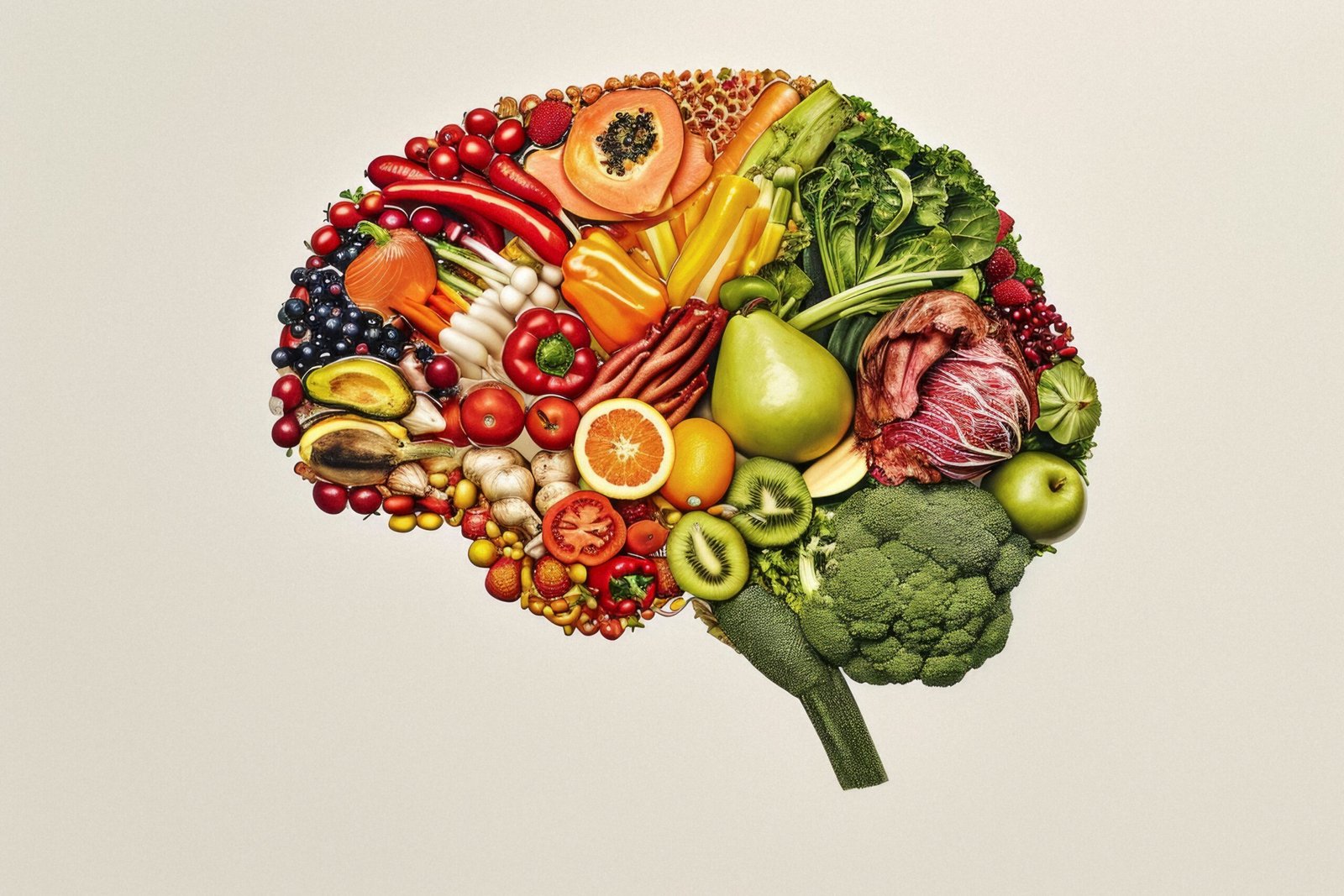
Why calming your gut may help your face – and what nutrition has to do with acne, eczema, and beyond?
I’ve always thought of skin as the body’s most honest storyteller. It celebrates us on the good days, and on the stressful, sugar‑heavy, barely‑slept ones…well, it tends to make its feelings known. And if you’ve ever felt as though your skin is reacting to everything, you’re certainly not alone.
Skin conditions are far more common than most people realise. Around one in four people in the UK deal with some kind of skin problem each year – anything from persistent dryness and irritation to long‑term inflammatory conditions (1). That’s millions of us navigating flare‑ups, rashes, red patches, or breakouts on a regular basis. And it’s one of the leading reasons people visit their GP, which hardly comes as a surprise when everyday life throws so many triggers our way: genetics, stress, pollution, skincare habits, diet, and even the changing seasons.
And acne? Despite the stereotype, it isn’t something most people “grow out of”. In fact, 50 – 60% of UK adults will experience acne at some point in their lives. For some, it’s a frustrating continuation from teenage years; for others, it arrives unexpectedly in their 30s or 40s. Hormones, stress, diet, medication – they can all play a part (1). The emotional impact is just as real as the physical one too, especially when waiting times to see an NHS dermatologist now average around 18 weeks (2). Four months can feel like a lifetime when your skin is flaring.
So where does that leave us? Stuck between long waits, topical creams that help but don’t always solve the underlying issue, and the lingering sense that something deeper might be going on.
And increasingly, research suggests there is something deeper.
Over the past decade, scientists have begun to uncover a striking truth: our skin and our gut are in constant conversation. Two huge immune organs, each with their own complex microbiomes, quietly influencing each other through hormones, nerves, and immune signals. We’re learning that the gut doesn’t just digest food. It produces short‑chain fatty acids (SCFAs), neurotransmitters like serotonin and GABA, immune regulators, and anti‑inflammatory compounds that help maintain both gut barrier integrity and skin balance. Disruptions to this gut ecosystem (whether from stress, ultra‑processed diets, alcohol, or antibiotics) can shift systemic inflammation and immune responses in ways that contribute to acne, eczema, psoriasis, rosacea, and even certain forms of hair loss (3).
Now, this doesn’t mean food alone can prevent or cure skin conditions. Dermatology is nuanced, and every condition has its own mix of genetic, environmental, and hormonal factors. But what the emerging science does tell us is that nutrition and gut health are powerful pieces of the puzzle, often overlooked in favour of topical solutions.
That’s where an inside‑out approach becomes genuinely useful: supporting the gut with fibre‑rich, plant‑diverse foods; calming systemic inflammation; and giving the body the raw materials it needs to repair. It’s also where blends like FiiHii’s Frinks® come in – not as replacements for medical treatment, but as simple, daily whole‑food additions that help nourish the gut–skin connection whilst you continue whatever topical or prescribed routine works for you. Because if there’s one thing I’ve learned: you can moisturise the surface, but true skin resilience often begins far deeper.
The Gut – Skin Axis: Where Fibre, Food & Microbes Meet Your Face
Beyond its roles in digestion and immunity, the gut microbiome (the trillions of microbes living in our intestines) is now understood to influence everything from inflammation and barrier function to hormonal signalling and immune responses that show up on the skin.
In this section, we look at how this gut–skin connection plays out across specific conditions like acne, eczema, and psoriasis, using current scientific evidence to explain how internal imbalance can contribute to external flare-ups – and how targeted nutrition and microbiome support may help shift things in a better direction.
Acne Vulgaris
Acne is one of the most widespread skin concerns, driven by a combination of factors including increased sebum production, changes in skin bacteria (notably Cutibacterium acnes), hormonal fluctuations, and immune responses – particularly those involving Th17 cells. But beyond the skin itself, there’s now strong interest in the gut as a contributing factor. People with acne often follow Western dietary patterns (high in sugar, saturated fat, and low in fibre) which can shift the composition of the gut microbiome and increase intestinal permeability. This “leaky gut” state allows inflammatory molecules to circulate more freely in the body, potentially aggravating immune pathways linked to acne (4). Studies have shown that acne patients tend to have distinct gut microbiota profiles, with lower diversity overall, reduced levels of Firmicutes (such as Clostridiales and Ruminococcaceae), and increased Bacteroides – a classic sign of dysbiosis. While the exact causal direction is still being investigated, small clinical trials using oral probiotics (mainly Lactobacillus and Bifidobacterium) have shown modest improvements in acne severity, suggesting that microbiome modulation may play a role in managing inflammatory breakouts (4).
Atopic Dermatitis (Eczema)
Atopic dermatitis (AD), often referred to as eczema, is a chronic, inflammatory skin condition affecting both children and adults, typically marked by dry, itchy patches, barrier dysfunction, and immune overactivity skewed toward the Th2 axis (involving cytokines like IL‑4 and IL‑13). On the skin surface, AD is often associated with Staphylococcus aureus overgrowth and reduced microbial diversity. But this imbalance appears to extend deeper, into the gut. Individuals with AD show signs of gut dysbiosis, including increased abundance of inflammatory bacteria like Clostridium and Escherichia, reduced levels of protective species such as Akkermansia and Bifidobacterium, and a notable drop in short-chain fatty acid (SCFA) producers like Coprococcus (4).
These SCFAs, including butyrate and propionate, play key roles in maintaining gut barrier integrity and regulating immune responses, both of which are often compromised in eczema. Interestingly, these gut alterations have been observed not only in people with established AD, but also in infants who later go on to develop the condition, pointing to a possible early-life programming effect. Clinical evidence also supports a role for gut-focused interventions: meta-analyses and international guidelines highlight that probiotics given during pregnancy or early infancy may reduce the risk of AD development in high-risk children, likely by supporting microbial diversity and dampening allergic immune tendencies (4).
Psoriasis
Psoriasis is a chronic, immune-mediated skin disorder characterised by red, scaly plaques that result from overactive skin cell turnover and inflammation. It’s increasingly recognised as a systemic condition – one that doesn’t just affect the skin, but also involves the gut, joints, and other organs (4).
Emerging research shows that the gut microbiome may contribute to the persistence and severity of psoriasis. Compared to healthy individuals, people with psoriasis often have altered gut microbial composition, with lower Bacteroidetes, higher Firmicutes, and reduced abundance of SCFA-producing bacteria. In addition, several studies have detected elevated markers of gut permeability in psoriasis patients, suggesting a compromised gut barrier. Even more striking, fragments of bacterial DNA from gut microbes have been found circulating in the blood of psoriasis patients, suggesting translocation of microbial material across the gut wall into the systemic circulation. These findings support a model where gut dysfunction may sustain the kind of chronic immune activation seen in psoriasis. In a clinical context, one small trial found that adding a probiotic blend to conventional psoriasis treatment reduced relapse rates for up to six months, hinting at the potential of gut-targeted therapies as part of a holistic approach (4).
Rosacea
Rosacea is a chronic skin condition most commonly seen on the face, involving redness, visible blood vessels, flushing, and sometimes inflammatory bumps or pustules. Although often considered a surface-level issue, rosacea appears to have meaningful links to gut health. The condition has been associated with two gut disorders in particular: Helicobacter pylori infection and small intestinal bacterial overgrowth (SIBO). The review highlights studies showing that people with rosacea are more likely to have these gut imbalances, and that treating them – especially SIBO – can lead to dramatic improvements in skin symptoms. One clinical study found that antibiotic treatment for SIBO resulted in complete remission of rosacea in a significant proportion of patients, strongly supporting the existence of a gut–skin connection. Additionally, microbiome studies in rosacea patients have found alterations in fecal bacterial composition, including increased abundance of Acidaminococcus and Megasphaera, and reductions in microbial richness and protective taxa like Peptococcaceae. While more research is needed, the current evidence suggests that addressing gut imbalance may help reduce systemic inflammation and vascular instability, both key drivers of rosacea (4).
A Shared Inflammatory Thread
While each skin condition is distinct in its symptoms and triggers, a recurring pattern has emerged: many inflammatory skin diseases are associated with gut dysbiosis, increased gut permeability, and altered immune responses that span both systems. In several conditions, modifying the gut environment, through probiotics, dietary changes, or treatment of gut infections, has been shown to influence skin outcomes. This doesn’t mean gut-focused therapy will replace traditional dermatological treatments, but it does point to an underutilised avenue for systemic support. Whether you’re dealing with eczema, acne, rosacea, or psoriasis, looking after your gut may be an important part of restoring and maintaining skin health from the inside out.
Nutrition for Your Skin Barrier: What the Evidence Says to Eat More Of
We’ve talked about the gut–skin connection, and how inflammation, microbiome balance, and barrier integrity all play a role in how your skin behaves. But what does that actually mean when it comes to what you eat? Your skin isn’t just a passive outer shell – it’s a metabolically active organ that depends on a steady supply of nutrients, antioxidants, and healthy fats to maintain its structure, hydration, and resilience.
And the best way to feed it? Whole plant foods, fibre-rich ingredients, and the right kinds of fats.
Antioxidant-Rich Fruits and Vegetables: The Skin’s First Line of Defence
Your skin is constantly exposed to stress (from sunlight, pollution, weather changes, and internal triggers like stress hormones). Over time, these exposures generate free radicals, unstable molecules that damage collagen, elastin, and DNA – all key to youthful, resilient skin. That’s where antioxidants come in.
Vitamins A, C, E, and compounds like beta-carotene, lycopene, and lutein help neutralise free radicals and reduce this damage. These nutrients are only available through food, mostly from colourful fruits and vegetables, and studies show they actually build up in the skin over time. In one human trial, people who ate tomato paste daily (a rich source of lycopene) had 40% less sun-induced redness after 10–12 weeks, showing real-world “internal sunscreen” effects (5).
FiiHii Frinks® that shine here:
- Cocomangofango (packed with vitamin C from mango, kiwi, and pineapple)
- Traffic Light Punch (high in skin-protective polyphenols from berries and grapes)
Carotenoids + Healthy Fats: A Perfect Pairing for Glow
Here’s something many people don’t know: carotenoids are fat-soluble, meaning your body absorbs them much better when they’re eaten with a source of healthy fat. Think tomatoes with olive oil. Or avocado in your salad. Studies show that adding fat, even just a spoonful of avocado, olive oil, or seeds, significantly improves the absorption of skin-friendly antioxidants like lycopene and beta-carotene (5). That means your skin gets more benefit from the same foods.
This is where synergy comes in. For example, The God Yoghurt Frink® combines avocado (healthy fat) with spinach and blueberries, delivering both antioxidants and the fat needed to help your body actually use them.
Polyphenols: The Plant Compounds That Calm and Protect
Polyphenols are antioxidant compounds found in colourful plant foods (think berries, grapes, cocoa, tea, pomegranate). They help improve circulation, reduce UV damage, and support the microbiome, which in turn reduces inflammation. One study found that drinking high-flavanol cocoa daily for several weeks improved skin smoothness and reduced sun sensitivity (5). Foods rich in polyphenols tend to be deeply pigmented, red, blue, purple, and black fruits and vegetables are often the most potent sources.
Frinks that shine here:
- Traffic Light Punch (anthocyanins from blackberries, raspberries, red grapes)
- Orchard (pomegranate polyphenols + antioxidant-rich citrus)
Essential Fatty Acids: For a Stronger Skin Barrier
If you struggle with dryness, flakiness, or irritated skin – this one’s for you. Essential fatty acids, like omega-3 and omega-6, are crucial for building healthy cell membranes and maintaining the lipid barrier that keeps moisture in and irritants out. Studies using hempseed, flaxseed, and borage oil have found improvements in skin hydration, reduced itch, and stronger barrier function – especially in people with atopic or sensitive skin types (5).
Frinks that support this:
- P-Power (flaxseed for omega-3 ALA)
- Traffic Light Punch (chia seeds for both omega-3s and fibre)
- The God Yoghurt Frink (hemp seeds + avocado for a balance of omega fats)
Low-Glycaemic, Fibre-Rich Foods for Acne-Prone Skin
A high-sugar diet doesn’t just spike your blood sugar, it also increases insulin and IGF-1, two hormones closely linked to acne severity. These signals drive excess oil production, increase pore blockages, and can inflame the skin. One study found that people following a low-glycaemic diet, based on whole grains, legumes, and non-starchy vegetables, not only had improved insulin sensitivity, but also fewer breakouts and reduced oiliness (5). Beyond hormone regulation, fibre also feeds beneficial gut bacteria, helping produce anti-inflammatory SCFAs and supporting overall microbiome diversity, both crucial for calmer, clearer skin.
Frinks that work here:
- Orchard (pectin-rich fruits + pumpkin seeds)
- P-Power (prunes and flax for natural fibre and glycaemic control)
Summer Love (calcium, fibre, and citrus – great for metabolic balance)
So What Does a Skin-Loving Diet Look Like?
It’s not about being perfect or cutting everything out. It’s about adding more of the things that help – day by day.
That means:
- A rainbow of fruits and vegetables (for antioxidants, carotenoids, vitamin C)
- Healthy fats from seeds, nuts, avocado, or olive oil (for absorption and barrier support)
- Fibre from legumes, whole fruits, flax, and chia (to feed the microbiome)
- A little dark chocolate, berries, or tea (for their protective polyphenols)
- Lower-glycaemic carbohydrates to keep inflammation and breakouts at bay
This is the philosophy behind FiiHii Frinks®: blends built from real whole foods, combining fruit, seeds, fibre, and healthy fats, all designed to work with your biology, not against it.
The FiiHii Philosophy: Food First, Skin Supported
In a world where the default approach to skin care still focuses almost entirely on what we apply on the skin, it’s easy to forget that skin is a living, reactive organ – constantly communicating with the gut, the immune system, and the foods we put into our bodies.
That’s where FiiHii comes in. Unlike juices or supplements, Frinks® are made from whole fruits, seeds, nuts, and vegetables – meaning they retain their full fibre content, including both soluble and insoluble fibres. This makes them a rich source of prebiotics: the fuel your good gut bugs need to grow. On top of that, the antioxidants, healthy fats, and enzymes in each Frink help reduce oxidative stress, support digestion, and promote more regular bowel movements – all of which are key for skin clarity and calm.
And unlike quick-fix cleanses or fad diets, this is about long-term support. By making gut-nourishing plants a regular part of your day (even just once), Frinks® help lay the groundwork for systemic improvements – not just in your gut, but across your whole skin–immune–hormone network. It’s not about perfection – it’s about consistency, quality, and giving your biology what it needs to repair and thrive.
Frinks® aren’t positioned as a replacement for skincare routines, medications, or medical advice. They exist to support the other half of the picture – the internal side. The side where gut microbes are fed, inflammation is shaped, and nutrients either flow freely or fall short.
Because even the best topical routine can only do so much if the body isn’t being given the building blocks it needs to repair, protect, and rebalance from within.
Conclusion: You Can’t Moisturise Your Way Out of Inflammation
At the heart of it, skin health is about more than surface-level fixes. It’s shaped by what we eat, how our gut functions, and the state of our immune and hormonal systems – all of which are deeply influenced by daily dietary patterns.
This doesn’t mean cutting out entire food groups or chasing impossible perfection. It means making choices that support your biology rather than work against it. It means focusing less on what to avoid, and more on what to add: fibre, colour, polyphenols, plant diversity, and the fats that help your body absorb it all. And it means recognising that small, consistent steps – like adding a daily FiiHii Frink® – can make a difference. Skin care will always have a topical element. But if we’re not also thinking from the inside out, we’re missing half the story.
Improve your skin here – Buy Now!!
References:
- How Common Are Skin Conditions in the UK? (Guide) [Internet]. Dermatologist London – Dermatology Clinic UK (Skin Doctor); 2025 [cited 2025 Nov 30]. Available from: https://www.london-dermatology-centre.co.uk/blog/how-common-are-skin-conditions-uk/
- 20 Interesting Statistics About Dermatologists in the UK [Internet]. Dermatologist London – Dermatology Clinic UK (Skin Doctor); 2025 [cited 2025 Nov 30]. Available from: https://www.london-dermatology-centre.co.uk/blog/dermatologist-statistics/
- Impact of gut microbiome on skin health: gut-skin axis observed through the lenses of therapeutics and skin diseases. Gut Microbes [Internet]. 2022 [cited 2025 Nov 30]. Available from: https://doi.org/10.1080//19490976.2022.2096995
- Pessemier BD, Grine L, Debaere M, Maes A, Paetzold B, Callewaert C. Gut–Skin Axis: Current Knowledge of the Interrelationship between Microbial Dysbiosis and Skin Conditions. Microorganisms [Internet]. 2021 Feb;9(2):353. Available from: https://doi.org/10.3390/microorganisms9020353
- Pappas A, Liakou A, Zouboulis CC. Nutrition and skin. Rev Endocr Metab Disord. 2016 Sep;17(3):443–8. doi: 10.1007/s11154-016-9374-z. PMID: 27401878.