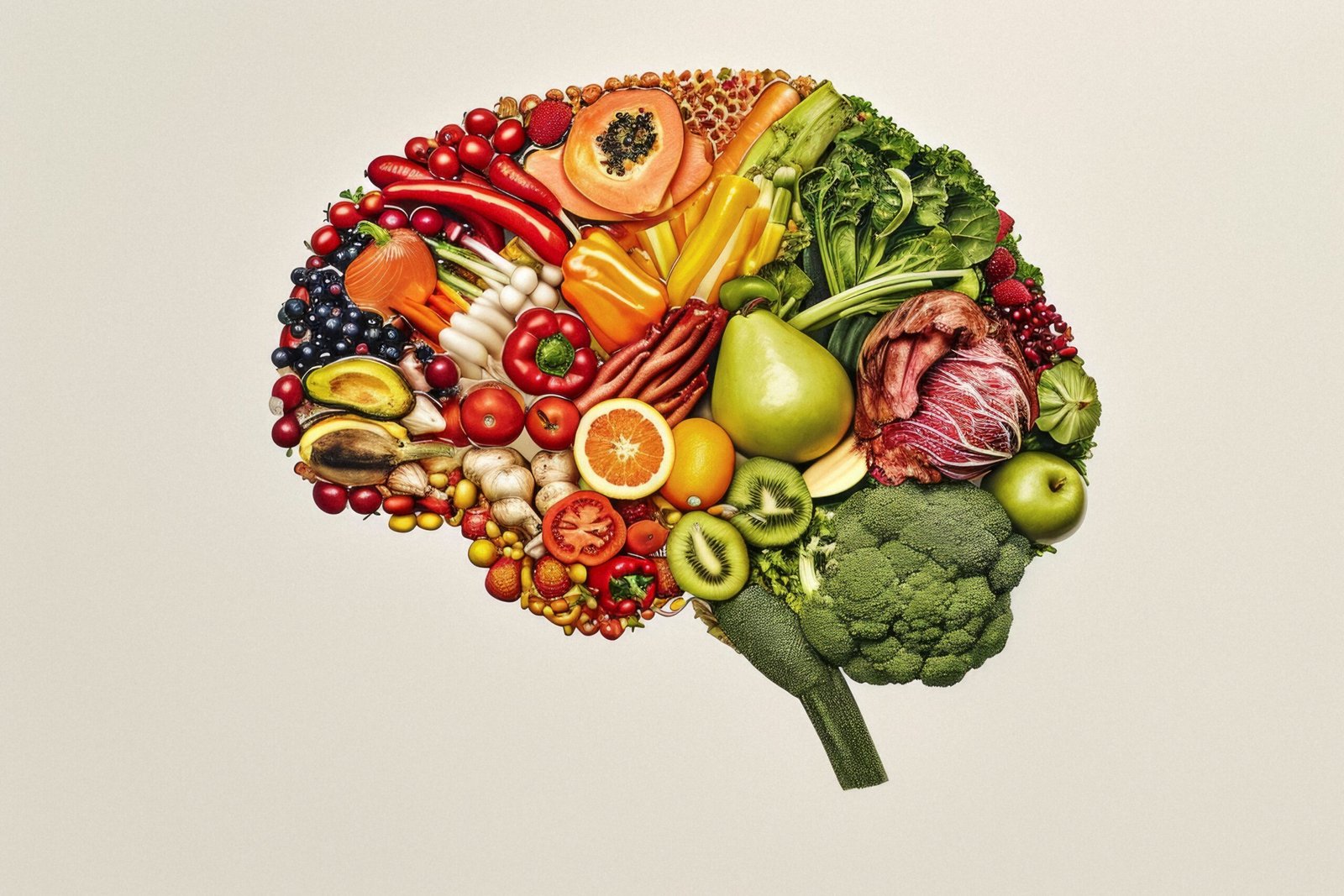
Fibre’s Reputation Problem
There’s a well-worn path that many of us take when trying to improve our gut health. It usually starts with a renewed commitment to eating better – a few more vegetables on the plate, a switch to wholegrains, maybe the addition of a fibre supplement or a smoothie that promises to ‘cleanse’ and ‘balance’.
And then, the discomfort begins. Not subtle, either. Bloating, tightness, wind – the kind of symptoms that make you question whether this new health kick was really such a good idea. It’s one of the most common complaints people have when increasing fibre: they feel worse before they feel better. That early wave of digestive disruption is often enough to put the brakes on completely.
But here’s the thing: fibre isn’t the problem. It’s how we approach it. Ramping up too quickly, ignoring hydration, piling on too many new habits at once – it’s a recipe for resistance, both from your gut and your motivation. In this article, we’ll look at how to increase your fibre intake in a way that supports digestive comfort from day one. We’ll cover why bloating happens, how to ease in gradually, the role of hydration and stress, and how a few well-placed tools – including a 3-day ramp-up plan – can make all the difference.
Because when done right, fibre isn’t uncomfortable. It’s transformative.
What’s Actually Going On in There?
When we talk about bloating after increasing fibre, it’s not just a subjective complaint – it’s a well-documented physiological response. In a randomised, three-period crossover feeding study involving 164 adults (average age 53), participants transitioned from a typical low-fibre US diet to three different higher-fibre dietary patterns as part of the OmniHeart study. Fibre intake jumped from around 11 grams to 32 grams per 2,100 kilocalories – nearly a threefold increase. Across all versions of the diet – whether emphasising carbohydrates, protein, or unsaturated fats – the result was consistent: bloating increased (1).
The underlying mechanism is straightforward, and rooted in basic gastrointestinal physiology. Unlike most nutrients, dietary fibres are not fully digested in the upper digestive tract. Instead, they arrive (partially or wholly intact) in the distal small intestine and colon, where they become fermentation fuel for gut microbiota. These bacteria break down the fibres into short-chain fatty acids, which are beneficial, and gases such as carbon dioxide, hydrogen, and methane, which can accumulate and lead to visible and physical distension. This process is not a malfunction; it’s how the system is designed to work. But the scale and speed of the change matter (1).
The study authors also highlight an important secondary mechanism: it’s not just that more gas is being produced – it’s that it may not be moving through the system efficiently. Certain fibres can reduce what’s known as bolus propulsion – the movement of material through the colon towards the rectum. This slows transit and encourages gas retention. In short, the digestive tract ends up with both more to process and less momentum to move it along. The result? A build-up of pressure and discomfort. It’s a classic case of overload. The system still functions, but with strain – like a washing machine packed beyond its usual load: it churns, but everything sloshes for longer, and the outcome isn’t especially smooth (1).
The timing and magnitude of fibre increase also appear critical. Data from a related DASH trial showed a 41% increase in bloating risk when individuals shifted abruptly from a low-fibre baseline to a significantly higher-fibre diet. This suggests it isn’t fibre itself that causes the problem, but the contrast – the sudden jump in fermentable substrate that exceeds the gut’s existing microbial and motility capacity (1).
Importantly, the story doesn’t end with discomfort. The study also points to adaptation. Research cited in the discussion section found that after just 20 days of consistent high-fibre cereal consumption, participants experienced fewer bloating symptoms than they had on their habitual diets. The gut, it seems, can recalibrate. With time, the microbial population adjusts, gas handling improves, and transit becomes more efficient again (1).
The takeaway is simple but often overlooked: fibre isn’t inherently irritating. What matters is how and how quickly it’s introduced. Go in gently, give the system space to adapt, and the benefits of fibre – from metabolic regulation to long-term digestive health – become far more accessible, without the short-term discomfort.
Ease in, Don’t Dive In: The Smart Fibre Ramp-Up Plan
One of the biggest mistakes people make when increasing fibre is assuming they need to hit the recommended 25 to 35 grams per day straight away. But as clinical guidance repeatedly shows, that “all in” approach often backfires.
In practice, the typical gastrointestinal side effects of a high-fibre diet – bloating, gas, cramping, and stool changes – tend to arise when fibre is increased too rapidly or without enough fluid. Rather than pushing towards the full target immediately, the recommendation is to increase fibre gradually (by just 2 to 3 grams every few days) while closely monitoring tolerance. If symptoms arise, hold at your current level, or step back slightly, before continuing (2).
Hydration is essential throughout. Fibre, particularly soluble types, requires adequate fluid to move smoothly through the gut. Without it, the fibre can clump and slow transit, intensifying bloating and discomfort – not unlike trying to flush a dry sponge down a pipe (2).
From a mechanistic standpoint, soluble fibre (such as oats or psyllium) forms a gel and is fermented in the colon, producing short-chain fatty acids that support gut and metabolic health. However, if introduced too quickly, this same process can increase gas and distension. Insoluble fibre, on the other hand, adds bulk and speeds up transit – which is helpful for constipation but, in large quantities too soon, may increase urgency and abdominal pressure.
This makes a phased plan not only more tolerable, but also more physiologically sound. Here’s a simple 3-day entry point based directly on clinical advice (2):
Day 1
Start with a low-dose soluble fibre source – ideally in a blended or liquid format. A smoothie containing oats, psyllium, or ground flax is ideal here. This keeps the fibre hydrated and evenly dispersed, lowering the risk of it forming a dense, slow-moving bolus.
FiiHii Recommendation: The God Yoghurt Frink – made with banana, blueberries, spinach, avocado and hemp seeds. Offers soluble fibre and healthy fats in a smooth, hydrating base. The avocado and hemp support nutrient absorption while keeping things gentle on digestion.
Drink plenty of water throughout the day – aim to accompany each fibre intake with a full glass of fluid.
Day 2
If day one went smoothly, add another 2–3 grams of fibre from a different gentle source. A second smoothie or an extra tablespoon of chia seeds (soaked first) would fit the bill. Continue using liquid or soft preparations – these are easier to digest at this stage.
FiiHii Recommendation: Traffic Light Punch Frink – with blackberries, raspberries, chia seeds, lemon, and red grapes. This offers omega-3 ALA from chia and hydration-supporting fibre in a fruity, polyphenol-rich blend that supports gut motility and microbiome diversity.
Keep meals simple and cooked where possible, to reduce the overall strain on digestion.
Day 3
Now layer in a small portion of insoluble fibre, such as a few spoonfuls of steamed vegetables or a slice of wholegrain bread. Insoluble fibre supports transit, but only becomes helpful once the gut has adjusted to the baseline load.
FiiHii Recommendation: Orchard Frink – featuring apple, pear, satsuma, pomegranate, and pumpkin seeds. This Frink delivers both soluble (pectin) and insoluble fibre, alongside healthy fats and polyphenols. It’s a good transitional choice as you begin to diversify fibre types.
Monitor for changes – especially in bloating, stool pattern, and energy. If symptoms start to build, pause here for a day or two before increasing further.
This approach is intentionally modest – the goal isn’t to maximise fibre, but to establish a baseline your body can handle. By starting with well-hydrated, soluble, and blended sources, you reduce the risk of fermentation overload and poor motility, both of which contribute to bloating. It’s also where FiiHii smoothies come into their own. They’re formulated to deliver fibre in a balanced, low-irritation format – pre-hydrated, palatable, and easy to scale. And because they’re liquid-based, they align perfectly with the evidence: the same fibre dose in a blended format is less likely to cause strain than the equivalent in dense, dry food. Over time, once your gut has adapted, you can begin to layer in chunkier insoluble sources and diversify your fibre intake further. But the early days matter – and how you begin can shape whether this becomes a lasting habit or a short-lived detour.
Water In, Waste Out
If fibre is the headline act, water is the supporting cast that makes the whole show work. Without enough fluid, even the best-designed high-fibre plan will struggle – and potentially backfire. It’s a non-negotiable part of the equation.
As outlined in the 2017 IBS review published in International Journal of Molecular Medicine, soluble fibre acts like a sponge, absorbing water to form a gel that softens stool and supports regularity. Insoluble fibre, meanwhile, adds physical bulk, helping to increase fecal mass and stimulate movement through the gut. But here’s the key: both types rely on water to function properly. When fibre draws water into the gut but there isn’t enough to go around, it can result in a dry, dense bolus – and that’s when people experience straining, bloating, or even constipation (3).
This is what the paper calls the “sponge physics” of fibre. Soluble fibres like psyllium or oats can expand up to 10–15 times their original volume in water. But if you’re not topping up your hydration, that expansion pulls water from elsewhere in the gut – potentially slowing motility instead of improving it. Electrolytes, too, are part of the picture. The fermentation of fibre by colonic bacteria produces short-chain fatty acids (SCFAs), which influence intestinal fluid and electrolyte transport via the gut’s neuroendocrine system. SCFAs stimulate the release of hormones like PYY and GLP-1, which not only help regulate appetite and motility but also modulate how well your body absorbs water and electrolytes. If your electrolyte intake – especially potassium, magnesium, and sodium – isn’t keeping pace with the fibre load, your hydration system doesn’t work as efficiently (3).
The solution isn’t complicated, but it does need to be intentional. Each time you increase your fibre intake, pair it with a hydration bump – not just water, but the right kind of fluids that support absorption.
Here are a few simple strategies grounded in the research:
- Start your morning with lemon water – a warm glass with a squeeze of lemon helps stimulate motility, delivers vitamin C, and sets a hydration baseline for the day.
- Coconut water or leafy greens – both are rich in potassium and magnesium, which support SCFA-driven fluid absorption.
- Use blended, hydrating foods – FiiHii Frinks® are ideal here, especially options like Traffic Light Punch (chia, berries, grapes) or P-Power (hydrating fruits + flax). These offer pre-hydrated fibre, making them gentler on the system.
- Take a 10-minute walk after meals – post-meal movement enhances peristalsis via the enteric nervous system and helps your gut respond to the added fibre load.
As the paper puts it, the by-products of fermentation (gas and SCFAs) affect both secretion and motility. So when fibre is added suddenly and without enough water or electrolyte support, symptoms like bloating, cramping, or erratic stools become more likely. Think of it this way: fibre without water is like putting a sponge in your gut without soaking it first – it’ll swell, but slowly and unevenly, creating pressure rather than flow. Pre-soaking the system with water and electrolytes keeps the digestive cycle smooth, not strained (3).
Sneaky Bloat Bombs
It’s not just how much fibre you’re adding – it’s what form it comes in, how suddenly it appears, and what else it’s paired with. Even if your intentions are spot on, the combination of ingredients can tip a balanced gut into bloating territory fast (1).
The OmniHeart and DASH trials offer a clear warning: when participants jumped from low to high-fibre diets – from around 11 g to 32 g per 2,100 kcal – bloating prevalence rose sharply. In the 2020 American Journal of Clinical Nutrition analysis, bloating increased by up to 41%, particularly in diets that added large volumes of plant proteins, legumes, and fibrous vegetables without a transition phase. In other words, sudden fibre shifts are one of the most consistent triggers of digestive discomfort (1).
A few common culprits stood out (1):
- Raw vegetables – particularly cruciferous ones like kale – are often added in large volumes. But raw fibre is harder to break down, especially when the gut isn’t primed for it.
- Legumes and beans – without soaking, sprouting, or balancing with carbs, these ferment rapidly and can slow propulsion, trapping gas. The protein-rich OmniHeart arm, which relied heavily on legumes, had the highest bloating risk overall (RR=1.40).
- Sugar alcohols and inulin – often found in health bars marketed as “gut-friendly”, these can cause a sharp FODMAP spike.
- Carbonated drinks – especially when consumed with high-fibre meals, add even more gas to a system already under fermentation pressure.
- Too many new foods at once – even healthy ones. The paper noted that microbiota differences (e.g. in race/ethnicity) can affect adaptation speed. More change equals more disruption.
Start Smart, Stay Comfortable
If there’s one clear takeaway from the evidence, it’s this: fibre works best when you respect the pace of your gut. Most of the discomfort people associate with fibre – the bloating, cramping, and general digestive unease – isn’t about the fibre itself. It’s about the suddenness, the lack of hydration, the overload of raw or poorly balanced ingredients.
Fortunately, the solution is straightforward. Ease in gradually, favour soluble and blended sources to start, support your gut with hydration and electrolytes, and avoid changing too many things at once. Smooth transitions make for smoother digestion.
With the right approach – and a little patience – fibre can go from frustrating to foundational. It doesn’t have to be uncomfortable. In fact, it shouldn’t be.
Buy your Frinks here – Start your transformation now.
References
- Zhang M, Juraschek SP, Appel LJ, Pasricha PJ, Miller ER, Mueller NT. Effects of high-fiber diets and macronutrient substitution on bloating: findings from the OmniHeart trial. Clin Transl Gastroenterol. 2020;11(1):e00122. doi:10.14309/ctg.0000000000000122
- Daley SF, Shreenath AP. The role of dietary fiber in health promotion and disease prevention: a practical guide for clinicians. In: StatPearls [Internet]. Treasure Island (FL): StatPearls Publishing; 2025 [cited 2026 Jan 5]. Available from: https://www.ncbi.nlm.nih.gov/books/NBK559033/
- El-Salhy M, Ystad SO, Mazzawi T, Gundersen D. Dietary fiber in irritable bowel syndrome (Review). Int J Mol Med. 2017;40(3):607-613. doi:10.3892/ijmm.2017.3072
https://ppl-ai-file-upload.s3.amazonaws.com/web/direct-files/attachments/81615872/eb157424-0e60-4060-9a07-ba98d495740c/li-et-al-2022-association-between-behavioral-biological-and-genetic-markers-of-cardiovascular-health-and-mri-markers-of.pdf