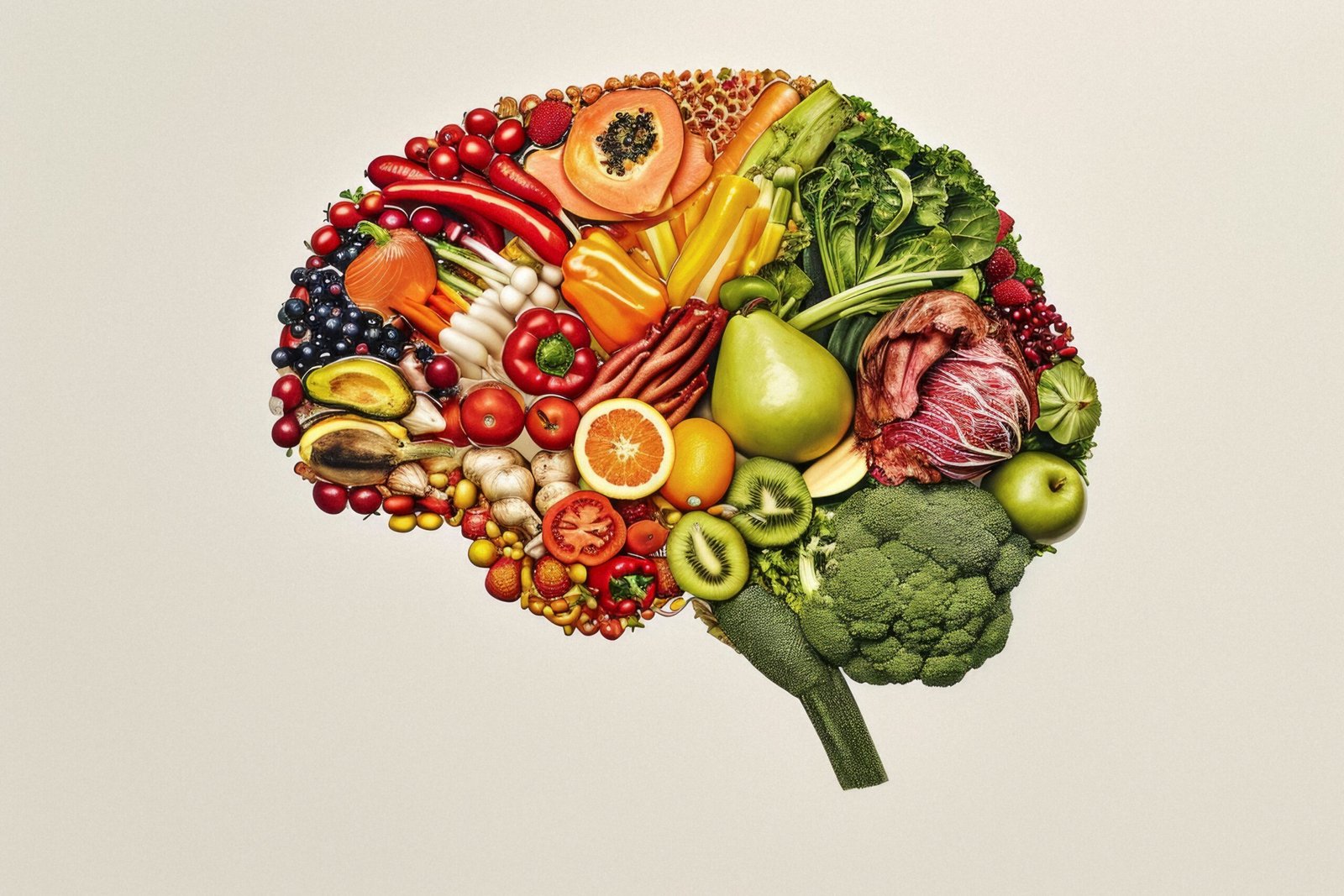
Fertility Is a Foundation, Not a Fix
Fertility is often treated like a light switch – something you turn on when you’re ready to conceive. But biologically, it works more like a long-term investment. The quality of our eggs and sperm, the receptivity of the uterus, and even the success of implantation are shaped by what we eat, how we live, and what we’re exposed to months, or even years, in advance.
Emerging research in reproductive endocrinology and epigenetics tells us that nutrition before conception plays a critical role in hormone regulation, egg and sperm quality, and embryo development. It doesn’t stop there, early exposures also influence the long-term health of future children. With rates of infertility rising, there’s a growing need to expand the conversation beyond short-term fixes and toward sustainable, daily rituals that support reproductive function in advance.
This article explores the science behind that shift – and why nourishing your fertility well before trying to conceive could be the most important thing you do for your future family.
The Fertility Timeline: Why 12 Months Ahead Matters
While the exact “fertility window” may vary from person to person, research increasingly supports a critical preconception period spanning several weeks to months (and ideally longer) during which nutrition and lifestyle habits can meaningfully shape fertility outcomes.
What the Research Shows
- Recent research frames fertility not just in terms of ovulation or conception, but as a multi-phase process where preconception nutrition affects oocyte maturation, sperm development, implantation, and even embryo quality (1).
- Folate, for example, needs to be present before conception to reduce the risk of neural tube defects – and folic acid supplementation (400–500 μg/day) has been shown to improve folate levels in follicular fluid and reduce homocysteine levels within as little as 2 months (1).
- The EARTH study, a long-term preconception cohort, shows that habitual diet before fertility treatment (not just during) predicts better IVF outcomes, embryo quality, and live birth rates (2).
- Higher intake of folate, vitamin B12, whole grains, soy, and omega-3s is linked to better fertility markers in women, while men benefit from lower intake of trans fats, processed meats, and high-pesticide produce (2).
Why Timing Matters
Egg and sperm development take ~90–120 and ~70 days, respectively, but their quality depends on the environment created well before that; including hormone balance, antioxidant status, and inflammation. Studies like the PREPARE trial are investigating whether as little as 6 weeks of nutritional support can improve implantation and embryo health – but there’s growing consensus that a longer runway (3–12 months) provides the best foundation. Beyond conception, this preconception window also affects epigenetic programming, influencing your child’s metabolism, immunity, and cognitive development later in life (1,2).
In other words, fertility isn’t just about what you do during ovulation or IVF. It’s shaped by your daily nutritional rhythm long before the first positive test – and both partners contribute. When viewed through this lens, investing in fertility becomes a long-term wellness commitment, not a last-minute scramble.
Nutrition Isn’t Just Supportive – It’s Instructional
When it comes to fertility and early development, nutrition doesn’t just “fuel” the system – it helps script it. Across the literature, a remarkably consistent nutrient story emerges: certain vitamins, minerals, and dietary patterns don’t simply support conception – they actively shape oocyte quality, implantation success, embryo development, and even the long-term health trajectory of the child. What’s more, the timing of these nutrients matters as much as the nutrients themselves (3).
Folate is a prime example. Long known for its role in preventing neural tube defects, folate also underpins DNA synthesis, methylation, and epigenetic programming; all processes that begin before a pregnancy is even detected. Higher preconception folate and B12 levels have been linked to improved embryo morphology and higher live birth rates in IVF cohorts, and when started early enough (ideally ≥3 months before conception), folate status predicts better outcomes across population studies as well. This pattern extends to the broader family of one-carbon nutrients (including B6, choline, and betaine – which collectively shape the quality of the follicular environment and the stability of the developing embryo’s genetic and epigenetic blueprint (3).
Other micronutrients follow similar logic. Iron and iodine (two nutrients commonly deficient in women of reproductive age) aren’t just essential once pregnancy begins. Their sufficiency beforehand is critical: iron supports oxygen transport and fetal brain development, while iodine plays a vital role in early neurodevelopment. In both cases, late correction may not fully reverse early deficits, making the preconception window a crucial opportunity to build reserves. Vitamin D and antioxidants add additional layers of complexity. While not all trials show consistent fertility benefits, vitamin D appears to support immune tolerance and implantation, and antioxidants may help protect maturing oocytes and early embryos from oxidative damage – a known contributor to implantation failure and poor embryo quality (3).
And yet, it’s not about isolated nutrients. The strongest signals come not from single supplements, but from whole dietary patterns. Diets rich in vegetables, legumes, whole grains, healthy fats, and lean protein (particularly those resembling the Mediterranean pattern) consistently correlate with better fertility outcomes in both population and IVF studies. These diets improve insulin sensitivity, reduce inflammation, enrich follicular fluid with key micronutrients, and support a more favorable endometrial environment. In contrast, high-glycaemic, high-fat, ultra-processed diets – especially those high in trans fats, added sugars, and refined carbs – are associated with higher rates of ovulatory dysfunction, poor sperm quality, and adverse pregnancy outcomes (3).
What all of this reinforces is that nutrition in the preconception window doesn’t just passively “support” fertility – it programs the system at nearly every level: metabolic, hormonal, immunological, and epigenetic. And unlike supplementation that begins only after a positive test, nutrient sufficiency ahead of time can align physiology before the most critical windows even open.
Fertility Is Also a Metabolic State
While micronutrient sufficiency lays the groundwork for healthy conception, fertility also hinges on deeper metabolic health – especially in today’s context of rising insulin resistance and chronic inflammation. A growing body of research, positions metabolic dysfunction as a core disruptor of reproductive function in both sexes. Insulin resistance, excess visceral fat, and related conditions like NAFLD are not just comorbidities – they actively interfere with ovulation, hormone balance, endometrial receptivity, and sperm quality. These disruptions often remain subclinical, which is why addressing them proactively (before pregnancy attempts or ART cycles) can make a measurable difference (4).
Diet is one of the most powerful tools we have to modulate this metabolic terrain. Diets high in refined carbohydrates, sugar-sweetened beverages, and ultra-processed foods amplify insulin resistance, worsen inflammatory tone, and contribute to ovulatory dysfunction, particularly in conditions like PCOS. In men, these patterns are linked to reduced semen quality, poorer morphology, and lower fertilization success. In contrast, low-glycaemic, fibre-rich diets anchored in whole grains, legumes, and healthy fats improve insulin sensitivity, restore hormonal rhythms, and support better reproductive outcomes across multiple studies (4).
Fat quality matters, too – not just for general health, but for hormone synthesis and gamete integrity. Diets rich in omega-3s and unsaturated fats support the hormonal environment necessary for ovulation and luteal sufficiency, while also improving sperm motility and morphology. Saturated and trans fats, by contrast, correlate with poorer reproductive parameters and heightened oxidative stress. This is where antioxidant-rich, plant-forward diets come into play – not only for their micronutrient content, but for their systemic anti-inflammatory and metabolic benefits (4).
Ultimately, this research reinforces a broader truth: fertility isn’t just about reproductive organs – it’s about the entire metabolic system. Optimizing blood sugar regulation, lipid profiles, inflammatory tone, and nutrient density through sustained dietary change is not an optional layer of support – it’s foundational to reproductive resilience.
Fertility Preparation Isn’t Common Knowledge – But It Should Be
Despite the wealth of evidence supporting the importance of preconception health, public awareness remains strikingly low. Most people don’t associate everyday behaviours (like diet, alcohol use, or stress) with their future fertility or the health of a potential child. A public consultation led by the NIHR Southampton Biomedical Research Centre found that the term “preconception health” was largely misunderstood or unknown among adults of reproductive age. While participants had heard of individual factors like folic acid or maternal age, few grasped the broader idea that health in the months (or even years) before pregnancy can influence everything from conception rates to long-term developmental outcomes in offspring (6).
This disconnect points to a missed opportunity in public health messaging. The idea that preparing for parenthood starts before pregnancy simply isn’t part of mainstream education or clinical guidance. But as the consultation showed, when people are given clear, practical language – such as “planning for parenthood” or “wellbeing before pregnancy” – they become more receptive to the concept. They’re also more likely to understand that this isn’t just about women or infertility; it’s about both partners, long-term health, and giving the next generation the best start possible. Addressing this awareness gap may be just as critical as addressing nutrient gaps or metabolic dysfunction when it comes to improving fertility outcomes (6).
Where Frinks Fit In: From Micronutrient Gaps to Everyday Fertility Nutrition
The science is clear: the nutritional groundwork for fertility and healthy pregnancy begins long before conception – but daily habits are often where this vision breaks down. FiiHii Frinks® were developed to bridge that gap, translating complex nutrient needs into delicious, functional blends built from whole foods. Each Frink delivers a purposeful mix of fibre, antioxidants, essential vitamins, and healthy fats that align with the very nutrients shown to support fertility, hormone balance, and early embryonic development; like folate-rich strawberries, iron-boosting apricots, zinc-packed pumpkin seeds, and omega-3-loaded flax and chia. More importantly, they offer a practical, consistent way to build up key reserves (such as vitamin C, magnesium, and plant polyphenols), support digestion and gut health (essential for nutrient absorption), and reduce inflammation – all factors shown to shape the metabolic, hormonal, and epigenetic environment that conception depends on. Whether used daily over 6–12 months in a preconception context or as part of a broader wellness routine, Frinks help turn science into something you can sip: no pills, no guesswork, just nutrient synergy that meets the moment (and the window) that matters most.
How Each FiiHii Frink® Supports Fertility & Preconception Health
1. Cocomangofango
- High vitamin C supports immune function and enhances iron absorption (key for preconception).
- Bromelain (from pineapple) aids digestion, reducing gut inflammation and improving nutrient uptake.
- Fibre diversity supports microbiome health, crucial for hormone balance and nutrient synthesis.
- Healthy fats from coconut help absorb fat-soluble vitamins (A, E), which support egg quality and oxidative balance.
2. Orchard
- Pectin slows glucose absorption, improving insulin sensitivity – essential for ovulation and PCOS support.
- Pumpkin seeds deliver zinc and magnesium, important for egg quality, hormonal regulation, and sperm health.
- Pomegranate polyphenols support vascular health and have been linked to better implantation environments.
- Vitamin C + zinc combo enhances immune and reproductive tissue function.
3. P‑Power
- Prunes and flax support natural bowel regularity, improving detoxification and estrogen clearance. Flax (omega-3 ALA) aids hormone balance, mood regulation, and egg/sperm membrane integrity.
- Antioxidants (plums, peaches, passion fruit) combat oxidative stress – a known disruptor of gamete quality.
- Supports hydration and electrolyte balance, often overlooked but important during hormonal shifts.
4. Traffic Light Punch
- Rich in polyphenols and anthocyanins (from berries and grapes) to reduce inflammation and protect reproductive cells.
- Chia seeds offer fibre and omega-3s to stabilize blood sugar and support healthy cycles.
- Vitamin K + calcium combo supports uterine health and bone strength pre-pregnancy.
- Helps regulate digestion and microbiome health, both key for nutrient absorption and hormonal clearance.
5. Summer Love
- Dried apricots provide non-heme iron, supporting red blood cell production and reducing early-pregnancy fatigue.
- Sesame seeds contribute calcium and healthy fats, supporting bone health and aiding fat-soluble vitamin absorption.
- Vitamin C from citrus enhances iron absorption and strengthens immune defences during the preconception window.
- Combats inflammation and supports metabolic health via antioxidant-rich fruits and seeds.
6. The God Yoghurt Frink
- Spinach and hemp deliver iron, magnesium, and plant protein to support menstrual regularity and energy.
- Avocado fats enhance absorption of fertility-critical nutrients (vitamins A, E, K).
- Blueberries and bananas provide antioxidants and B6 to support mood, hormone synthesis, and stress resilience.
- Supportsgut-brain axis and reduces inflammation, both important for cycle regularity and implantation outcomes.
Start your preparation here – Buy Now!!
Conclusion
Fertility isn’t just about the moment of conception – it’s about everything that leads up to it. From nutrient reserves to metabolic balance, your body lays the foundation for reproductive success months (and even years) in advance. Whether you’re actively trying or planning far ahead, supporting your body through targeted nutrition, lifestyle shifts, and functional options like FiiHii Frinks® may improve not only your chances of conception, but also the lifelong health of your future child. Preconception care is prevention – and the earlier it starts, the more powerful it becomes.
References
- Silvestris, E., Lovero, D. and Palmirotta, R. (2019). Nutrition and Female Fertility: An Interdependent Correlation. Frontiers in Endocrinology, 10. https://doi.org/10.3389/fendo.2019.00346
- Messerlian, C., Williams, P.L., Ford, J.B., Chavarro, J.E., Mínguez‑Alarcón, L., Dadd, R., Braun, J.M., Gaskins, A.J., Meeker, J.D., James‑Todd, T., Chiu, Y.‑H., Nassan, F.L., Souter, I.,
- Petrozza, J., Keller, M., Toth, T.L., Calafat, A.M. and Hauser, R. (2018). The Environment and Reproductive Health (EARTH) Study: A prospective preconception cohort. Human Reproduction Open, 2018(2). https://doi.org/10.1093/hropen/hoy001
- Stephenson, J., Heslehurst, N., Hall, J., Hutchinson, J., Cade, J.E., Poston, L., Barrett, G., Crozier, S.R., Barker, M., Kumaran, K., Yajnik, C.S., Baird, J. and Mishra, G.D. (2018). Before the beginning: Nutrition and lifestyle in the preconception period and its importance for future health. The Lancet, 391(10132), 1830–1841. https://doi.org/10.1016/S0140-6736(18)30311-8
- Łakoma, K., Kukharuk, O. and Śliż, D. (2023). The Influence of Metabolic Factors and Diet on Fertility. Nutrients, 15(5), 1180. https://doi.org/10.3390/nu15051180
- University Hospital Southampton NHS Foundation Trust. (2015). Researchers call for improved awareness of need to prepare for pregnancy. Available at: https://research.uhs.nhs.uk/news/researchers-call-for-improved-awareness-of-need-to-prepare-for-pregnancy (Accessed: 16 December 2025).