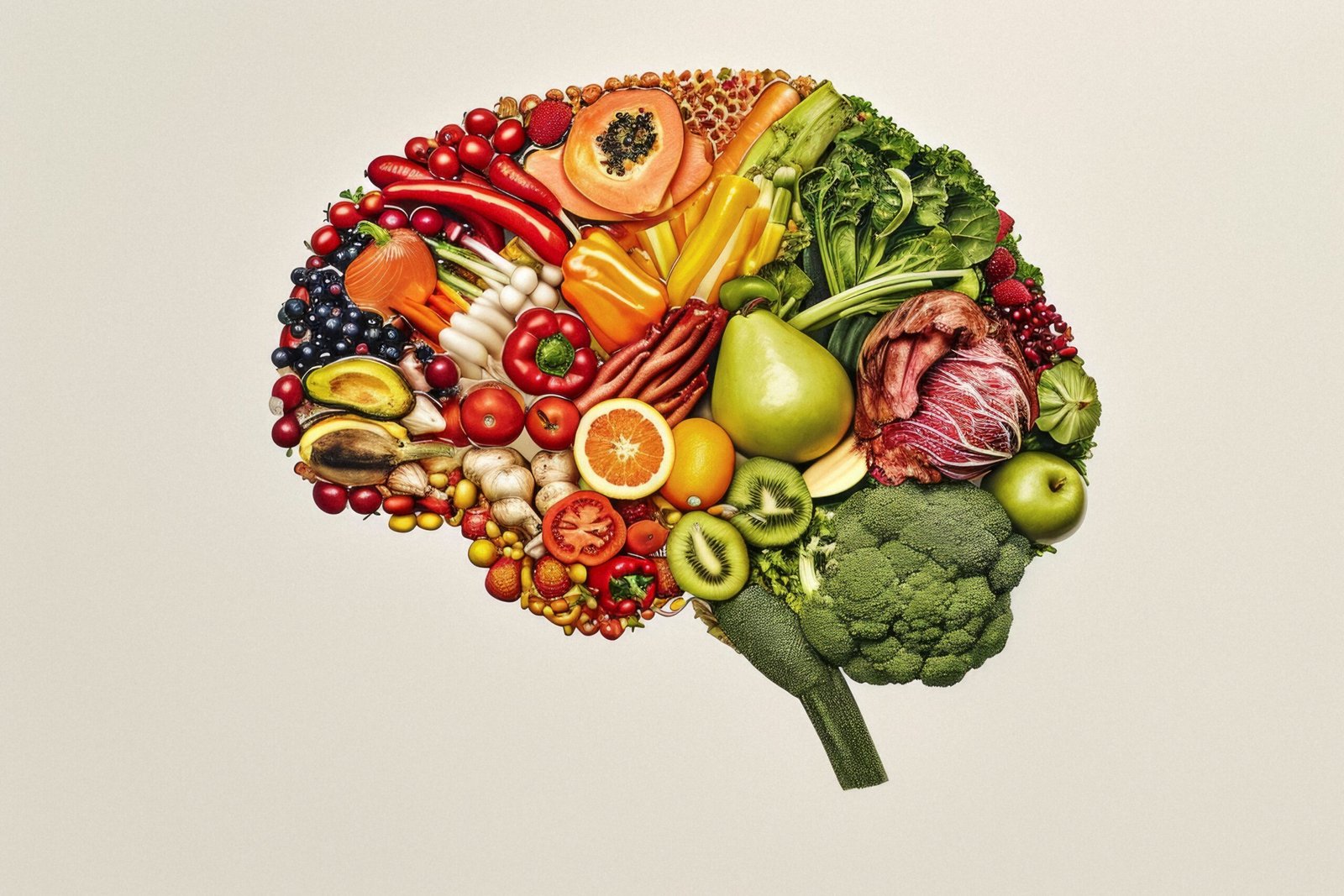
What Brain Fog Actually Is – and Why It’s So Common
Brain fog is best described as a cluster of cognitive symptoms – including poor concentration, slowed thinking, mental fatigue, and forgetfulness – rather than a formal diagnosis. Yet for many, it’s a distressingly real part of daily life. Rates of self-reported brain fog are surprisingly high: nearly 28% of adults report experiencing it, particularly in the context of chronic stress, disrupted sleep, and modern lifestyle pressures. The impact goes beyond inconvenience; persistent fog can reduce confidence, impair multitasking, and limit participation in work or caregiving roles (1).
Although brain fog isn’t a standalone medical condition, its biological underpinnings are increasingly well mapped. Research points to a small but consistent group of root causes that converge on impaired energy metabolism and low-grade neuroinflammation – two physiological states that manifest as mental “fuzziness” or cognitive fatigue (2). These drivers include sleep deprivation, blood sugar instability, mild dehydration, micronutrient insufficiencies, and disturbances in the gut–brain axis (2,3).
Sleep loss, in particular, is a major contributor to cognitive dysfunction – even short-term deprivation is enough to impair working memory, attention span, and processing speed (1,2,3). Mechanistically, this links to disrupted glucose metabolism, altered cerebral blood flow, and impaired glymphatic clearance in prefrontal regions of the brain essential for focus and executive function (3).
Subtle dehydration – just 1 – 2% loss of total body water – has also been shown to reduce subjective alertness and executive functioning, further contributing to what many describe as “foggy” thinking. At the same time, micronutrients such as B vitamins, iron, and omega-3 fatty acids are crucial for both neurotransmitter synthesis and brain energy metabolism; even marginal deficiencies can impair concentration, especially under stress (3).
Importantly, recent research also highlights a role for the gut–brain axis in this cognitive picture. Sleep loss has been shown to activate neuroinflammatory pathways via microglial priming and NF-κB signalling, while simultaneously disrupting gut microbial balance – a process that feeds back into cognition via the microbiota–gut–brain axis (3).
How Energy and Focus Are Regulated – A Biological Perspective
Mental clarity is not just a mindset – it’s an output of how well the brain is fuelled, oxygenated, and supported at the cellular level. Neurons, the highly active cells that underlie focus, memory and decision-making, rely on a constant supply of glucose, oxygen and micronutrients to generate ATP and maintain efficient neurotransmission. When any part of this supply chain is compromised – by erratic blood sugar, dehydration, inflammation or nutrient gaps – neuronal signalling becomes less precise, and the lived experience is what people describe as brain fog: slower thinking, difficulty concentrating, and more mental effort for routine tasks (1,4).
This is fundamentally an energy story. Neurons are metabolically expensive cells; they require tightly regulated glucose delivery and stable oxygen transport to maintain their membrane potentials and fire synchronously. Sudden spikes or crashes in blood sugar – often caused by high-glycaemic meals or ultra-processed foods – can cause swings in energy availability, while also triggering cortisol release via the hypothalamic–pituitary–adrenal (HPA) axis, feeding into the stress loop that further disrupts focus and cognition (4). These glycaemic fluctuations also impact the gut, promoting dysbiosis and changing the mix of microbial metabolites that reach the brain, including inflammatory cytokines such as IL‑6 and TNF‑α, which are known to impair cognitive function (1).
Hydration is another often-overlooked factor. Even mild dehydration – just 1–2% loss in body water – can reduce plasma volume and affect cerebral blood flow, limiting oxygen and nutrient delivery to brain tissue. Clinically, this presents as mental fatigue, reduced alertness, and a drop in working memory – key features of the fog many people experience after a long day or poor fluid intake (4).
Within this broader energy framework, micronutrients act as critical enablers of brain function. B vitamins serve as co-factors in mitochondrial energy metabolism and neurotransmitter synthesis, meaning that even marginal shortfalls can lead to cognitive slowing, especially under stress (4). Iron is essential for oxygen transport and dopamine production, so deficiencies – whether from poor intake, illness, or inflammation – can reduce motivation, focus and speed of thought. Omega-3 fatty acids contribute to neuronal membrane fluidity and synaptic efficiency; imbalances here alter how well serotonin, dopamine and GABA signals are transmitted within and between brain circuits (1).
The gut plays an integrative role in all of this. Microbial metabolites, such as short-chain fatty acids, influence both local gut health and systemic inflammation, while also affecting the blood–brain barrier and neurotransmitter precursors. The research shows that poor diet, sleep loss and chronic stress do not just affect mood – they compromise these gut–brain signalling pathways, degrading the quality of cognitive output itself (4,1).
Taken together, this positions focus, clarity and mental stamina not as abstract traits, but as emergent properties of a biological system that can be nourished or disrupted by daily inputs – especially diet. Whether the pattern is fibre-rich and stabilising or erratic and inflammatory, those inputs shape how well neurons function, how clearly thoughts form, and how resilient the mind feels in the face of daily demands (1).
Daily Disruptors – How Common Habits Fuel Brain Fog
Brain fog doesn’t always come from illness or burnout; often, it’s the byproduct of perfectly “normal” habits that quietly destabilise the gut–brain energy system. Things like skipping breakfast, grabbing convenience meals, working through lunch, or eating erratically across the week may feel routine – but biologically, they disrupt the rhythms that help your brain stay clear and focused (5).
One of the most consistent findings in circadian and gut–brain research is that irregular eating patterns – long gaps between meals, late-night eating, or shifting schedules between weekdays and weekends – desynchronise the body’s internal clock. This misalignment affects not only sleep, but also gut microbial rhythms and glucose regulation. As the review highlights, inconsistent eating flattens short-chain fatty acid production, lowers microbial diversity, and impairs glucose handling, all of which contribute to metabolic drag and sluggish cognition (5). Skipping meals, in particular, sets the stage for blood sugar crashes later in the day – often followed by a cycle of overeating and poor sleep that worsens focus the next morning.
Diet composition also plays a major role. Diets low in fibre and high in ultra-processed foods – rich in sugar, refined starch and low-quality fats – reduce microbial diversity and increase inflammatory signalling, eroding the biological support for mental clarity. These same patterns tend to be low in key micronutrients like B vitamins, iron and magnesium, meaning the brain is under-fuelled not just by unstable energy, but by the absence of essential cofactors that support neurotransmitter synthesis and cognitive stamina (5).
Over time, these small, repeated disruptions add up. The result isn’t always diagnosable disease, but a persistent background sense of being less sharp, more irritable, and mentally drained by tasks that once felt easy. Recognising these patterns is the first step to rebuilding the internal rhythm and nutritional foundation that focus depends on.
Real Fixes – Nutrition Strategies That Support Focus
There’s no perfect formula for fixing brain fog – but the research is clear that certain daily inputs can measurably reduce the burden. Instead of rigid food rules, this data supports a supportive, gut- and brain-friendly approach: stable blood sugar, steady hydration, regular meals, and micronutrient-dense foods. The takeaway? It’s the pattern, not perfection, that protects focus (6).
Stable blood sugar through balance, not extremes
In this cross-sectional study of nearly 300 adults, overall adherence to the MIND diet (rich in fibre, healthy fats and antioxidant-rich foods) didn’t line up neatly with brain fog scores. But higher BMI and lower MIND scores tended to cluster together – suggesting that energy-dense, low-fibre, ultra-processed eating patterns co-travel with metabolic stress and cognitive drag (4).
What helps instead is a steadier pattern: low-glycaemic, fibre-rich meals and snacks made up of whole grains, legumes, nuts, vegetables, oily fish and olive oil. These foods don’t “fix” brain fog in one sitting – but over time, they reduce inflammatory load and support glucose stability, improving the metabolic environment neurons depend on (6).
Hydration and gut support — a two-for-one benefit
Brain fog scores were significantly correlated with all five categories of gut symptoms (abdominal pain, reflux, diarrhoea, indigestion, constipation), and GI symptom severity independently predicted worse cognitive outcomes (β ≈ 0.21, p = 0.001) (6). This strongly supports prioritising gut-soothing, higher-fibre, minimally processed meals – whole grains, pulses, vegetables, fruit, and nuts – along with consistent hydration.
Even small improvements in digestive comfort (less bloating, reflux, irregularity) can reduce cognitive strain, likely via reduced gut–brain inflammation and more stable energy. Sipping water steadily throughout the workday (not just chugging it at meals), and pairing caffeine with food to minimise gut disruption, can also support clearer thinking.
Meal timing to support energy and sleep
Sleep quality was moderately linked to lower brain fog (r = –0.31, p < 0.001), though it dropped out as a predictor when GI and mood variables were accounted for – suggesting that what and when we eat affects sleep, which in turn affects cognition (6).
From a timing perspective, long gaps between meals – especially skipping lunch and eating a heavy dinner – increase the risk of glucose volatility, reflux, and gut discomfort. The result? Poorer sleep, more GI symptoms, and higher brain fog. A simple fix is to avoid extreme fasting windows, space meals consistently (every ~4–5 hours), and keep evening meals lighter and earlier (6).
Caffeine and circadian alignment
Although caffeine intake wasn’t directly measured, the study’s findings support circadian-friendly advice: limit caffeine after mid-afternoon, avoid heavy meals too close to bedtime, and skip alcohol if it disrupts digestion or sleep. Poor sleep, higher GI symptoms, and worse mood all predicted more severe brain fog – so anything that eases the evening overstimulation loop helps (6).
Small changes like cutting caffeine after 2–3pm or swapping in a lighter dinner can support calmer evenings and clearer mornings – not as restrictions, but as tools for mental clarity (6).
Micronutrient density over magic foods
The MIND diet doesn’t prescribe supplements or superfoods, but it does emphasise foods naturally rich in brain-supportive nutrients – leafy greens (folate, magnesium), pulses and whole grains (B vitamins, zinc), nuts and seeds (iron, omega-3s), and oily fish or flax (EPA/DHA or ALA). These nutrients support mitochondrial energy production, neurotransmitter synthesis and inflammation control – the cellular systems most relevant to cognitive stamina (6).
Rather than focusing on deficiencies, these foods can be framed as “padding out” the workday plate: adding spinach to lunch, scattering seeds over breakfast, or choosing hummus and wholegrain crackers as a snack are small moves that, over time, strengthen the nutritional scaffolding that supports attention and mood (6).
Where FiiHii Frinks® Fit – Supporting Clarity Through Nutritional Synergy
Brain fog is not caused by a single nutrient deficit or a lack of willpower – it’s a biological bottleneck, where focus, memory, and mental stamina falter under cumulative strain. As explored in this article, that strain often comes from a handful of overlapping lifestyle factors: erratic blood sugar, low fibre intake, chronic low-grade inflammation, micronutrient gaps, and disrupted gut–brain signalling. Reversing this isn’t about perfection – it’s about supplying the body with consistent, stabilising inputs. That’s where FiiHii Frinks® find their place.
These fibre-rich, whole-food smoothies were designed with the brain–gut–energy axis in mind: each combination brings together slow-releasing carbohydrates, diverse fibres, healthy fats, antioxidants, and key micronutrients that directly support metabolic, digestive and cognitive function.
Fibre + Fermentables = Gut–Brain Signalling Support
All six Frinks include a mix of soluble and insoluble fibres, which not only support digestive motility and regularity but also feed short-chain fatty acid (SCFA)-producing gut microbes. SCFAs like butyrate have been shown to reduce neuroinflammation, maintain gut barrier integrity, and support neurotransmitter balance – all key for maintaining mental clarity under stress. Traffic Light Punch (with chia), P-Power (with flax), and Orchard Frink (rich in pectin) are especially potent in this regard.
Micronutrients That Fuel Focus
Several Frinks supply brain-relevant micronutrients through whole food sources:
- Iron and zinc (from pumpkin seeds, sesame, dried apricots) for oxygen transport, dopamine synthesis and immune support
- Magnesium (in seeds, fruit, spinach) for stress resilience and neurotransmitter balance
- Omega-3 ALA (from flax and chia) for neuronal membrane health and anti-inflammatory modulation
- Vitamin C (found in nearly every blend) not only supports immunity but also enhances iron absorption and contributes to collagen integrity – which may play an indirect role in maintaining vascular health and nutrient delivery to the brain
Crucially, these nutrients are presented in food synergy – meaning they come with the cofactors and fats that aid their absorption and utilisation, like the coconut fats in Cocomangofango or the avocado and hemp in The God Yoghurt Frink.
Stabilising Energy Without Spikes
Brain fog is often worst after energy crashes – those moments when high-GI meals or skipped lunches lead to mid-afternoon slumps. Frinks offer a low-GI, fibre-buffered option to smooth those peaks and troughs, reducing the cortisol surges and mood dips linked to glycaemic volatility. The combination of slow-release carbs, natural sugars, fibre, and healthy fats provides sustained fuel for neurons, especially helpful as a morning anchor or afternoon pick-me-up.
Real-Life Utility
From a behavioural perspective, Frinks help address two key friction points:
- Meal timing gaps – they offer a fast, digestible option when appetite is low, time is short, or motivation is flagging
- Evening blood sugar crashes = several blends (e.g. Orchard or P‑Power) make good pre-dinner stabilisers to prevent over-eating or late-night sugar spikes, which the literature links to poor sleep and gut disruption
They also reduce cognitive load – no need to meal prep or count nutrients – making them especially useful for people in high-stress, mentally demanding roles.
The Takeaway
In the end, FiiHii Frinks® are not a magic bullet for brain fog – but they do represent a practical application of the evidence: a way to consistently nourish the gut–brain axis with ingredients known to support stable energy, reduce inflammation, and buffer the very inputs that erode focus over time. For those struggling to “think clearly” through modern life’s chaos, this kind of low-friction, nutrient-dense routine may be one of the most realistic first steps toward better cognitive resilience.
Conclusion: Focus Isn’t a Mystery – It’s a Metabolic Output
Brain fog isn’t vague, and it isn’t inevitable. It’s a measurable outcome of how well the brain is being supported – nutritionally, metabolically, and rhythmically – through daily choices. While modern life makes it easy to fall into patterns that destabilise focus, the same science shows that small, stabilising shifts can reverse that drag: steadier energy, better digestion, calmer evenings, and sharper mornings. From what we eat and when, to how consistently we hydrate and fuel our gut–brain axis, the tools for clearer thinking are often simple, but cumulative. Whether through a fibre-rich meal, a better breakfast rhythm, or a practical routine like FiiHii Frinks®, the goal isn’t perfection – it’s creating a biological environment where focus can thrive.
Purchase the Frinks®here Next Generation Gut Health Starts here!
References
- Haywood D, Rossell SL, Hart NH. Cutting through the fog: recognising brain fog as a significant public health concern. BMC Public Health. 2025;25(1). doi:10.1186/s12889-025-22525-6
- Yuan X-L, Wang C-Y. Sleep deprivation-induced cognitive impairment: Unraveling the role of neuroinflammation. Exp Neurol. 2025;394:115419. doi:10.1016/j.expneurol.2025.115419
- Khan MA, Al-Jahdali H. The consequences of sleep deprivation on cognitive performance. Neurosciences (Riyadh). 2023;28(2):91–99. doi:10.17712/nsj.2023.2.20220108
- Petrut S-M, Bragaru AM, Munteanu AE, Moldovan A-D, Moldovan C-A, Rusu E. Gut over Mind: Exploring the Powerful Gut–Brain Axis. Nutrients. 2025;17(5):842. doi:10.3390/nu17050842
- Bajaj P, Sharma M. Chrononutrition and Gut Health: Exploring the Relationship Between Meal Timing and the Gut Microbiome. Curr Nutr Rep. 2025;14(1):79. doi:10.1007/s13668-025-00670-z
- Altinsoy C, Dikmen D. How Are Brain Fog Symptoms Related to Diet, Sleep, Mood and Gastrointestinal Health? A Cross-Sectional Study. Medicina. 2025;61(2):344. doi:10.3390/medicina61020344