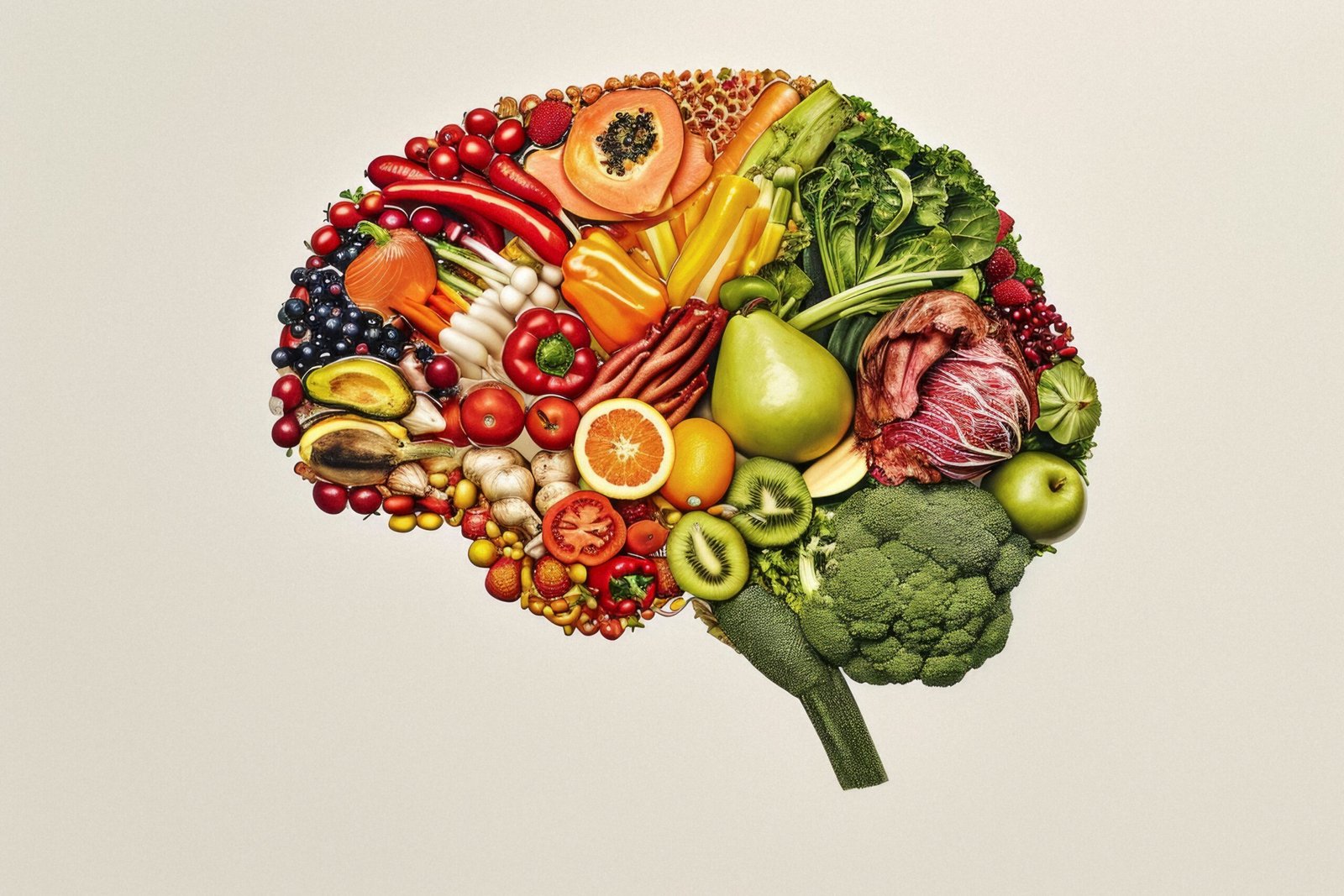
Exploring the science behind the gut–brain axis, and how daily rhythms – from stress to sleep to what you eat – shape how you feel.
Gut Feelings Are Real; What the Gut–Brain Axis Actually Is?
It’s easy to dismiss the idea that digestion could affect mood or sleep as modern wellness chatter; until you realise the gut and brain are in constant, two-way conversation through something called the microbiota–gut–brain axis. This is not a fad; it’s a real physiological network, hardwired through nerves, hormones, immune signals and microbial metabolites. At the centre of it all sits the gut microbiome; not as a passive passenger, but as a kind of conductor, shaping how the body experiences stress, how the mind regulates mood, and how easily we settle into sleep (1).
The wiring of this system is surprisingly direct. One major route is the vagus nerve; often described as a “hotline” connecting the gut to the brain. Signals from gut microbes can be carried up this pathway to brain regions involved in regulation and rhythm; including the hypothalamus. Alongside this neural connection is a hormonal one; the gut influences circulating hormones such as ghrelin, which plays a role in hunger and satiety signalling. Then there is the immune pathway; the gut’s microbial environment affects immune messengers like cytokines, including IL‑6, which can circulate and influence brain function. Finally, microbes generate their own biochemical signals; including short-chain fatty acids such as butyrate, produced when fibre is fermented in the gut. Together, these routes form a coordinated communication system; one that links digestion to emotion and sleep in a way that is biological, not abstract (1,2).
What makes the gut–brain axis even more compelling is that the microbiome does not merely send “general wellbeing” signals; it influences the very chemicals we associate with calm and emotional stability. Gut bacteria produce around 90% of the body’s serotonin, using dietary tryptophan as a starting point; serotonin is key for mood regulation. Microbes also contribute to the production of precursors for GABA, a calming neurotransmitter, and melatonin, the hormone closely tied to sleep. In other words, the gut is not only processing food; it is actively shaping the neurochemical environment that governs how we feel and how well we rest (1,2).
This is partly why the gut is often described as a “second brain”; not because it thinks, but because it behaves like an internal barometer, responding immediately to shifts in stress. When the brain senses threat, stress hormones such as cortisol can tighten gut motility and provoke sensations like butterflies or nausea; that is the brain talking to the gut. But the conversation also runs in reverse. When the gut is distressed; for example through dysbiosis associated with poor diet; it can send inflammatory signals back through the same communication channels, amplifying worry, low mood, poor sleep, or that familiar sense of being mentally “foggy” (1,2).
Once you see it this way, the loop becomes easy to recognise in everyday life. Poor sleep can disturb the microbiome and reduce the production of SCFAs; which can influence serotonin and GABA availability; which then feeds into heightened anxiety. Anxiety can worsen gut permeability; often described as “leaky gut”; which increases inflammatory signalling; which then contributes to brain fog and fragmented sleep. It’s a cycle that can feel frustratingly self-perpetuating; and it explains why digestion, stress, mood and sleep often rise and fall together rather than behaving like separate issues (1,2).
When Stress and Sleep Disrupt the Gut–Brain Circuitry
What happens when the gut–brain axis network begins to fray under pressure? The consequences are not just psychological. Stress and poor sleep don’t simply disrupt how we feel; they alter the very structure and function of the gut, reshaping microbial communities and weakening the biological rhythms that normally keep the gut and brain in sync (1).
When sleep is restricted or fragmented, microbial diversity in the gut falls; key groups of beneficial bacteria begin to decline. In both rodent and human studies, this drop in richness is closely associated with weakened gut barrier integrity. In animal models, sleep deprivation has been shown to increase colonic permeability and trigger systemic inflammation. These are not just theoretical risks; faecal microbiota transplantation (FMT) from sleep-deprived animals into healthy ones can reproduce these effects – including increased fat storage, insulin resistance, and heightened inflammatory markers (1,3,4).
But the effects do not stop at the gut. The sleep–microbiome–brain feedback loop becomes more apparent when we look at how microbial changes feed back into brain function. In rodent studies, antibiotic-induced microbiome depletion disrupts EEG sleep patterns; particularly the consolidation of non-REM sleep and the balance between REM and non-REM cycles. These shifts appear to be mediated by the vagus nerve. When the vagus is surgically severed, these sleep disturbances are significantly reduced – strong evidence that microbial signals reach sleep circuits in the brain through this neural pathway (1).
Part of the mechanism involves microbial byproducts. The short-chain fatty acid butyrate, generated through fibre fermentation, has been shown to enhance non-REM sleep duration when administered directly. So when SCFA-producing microbes diminish, as they often do after poor sleep, the result is a biochemical shortfall that disrupts the body’s ability to regulate sleep from the inside out (1,3,4).
Stress worsens this loop. Sleep loss activates the hypothalamic–pituitary–adrenal (HPA) axis, triggering a cortisol surge that increases gut permeability and further disrupts microbial balance. This sets up a feedback cycle; cortisol-induced dysbiosis raises systemic inflammation, which then feeds back to fragment sleep. The pathway is no longer speculative. It’s been mapped: stress breaks the barrier; dysbiosis sends inflammatory signals; and those signals disrupt brain function in measurable ways (4).
The brain’s own defences also begin to falter. Sleep-disrupted microbiota have been shown to increase blood–brain barrier permeability and contribute to neuroinflammation – both of which are associated with poorer mood, heightened emotional reactivity, and cognitive slowdown. In rodent studies, even the transfer of microbiota from sleep-fragmented donors can pass on these impairments to previously healthy recipients (3,4).
The vagus nerve again proves essential to this story. When the microbiome is disturbed, whether by stress, antibiotics, or poor diet, vagal signalling is altered, and behavioural changes follow. Rodents with depleted microbiota or chronic stress show anxiety-like behaviour, which can also be transferred via FMT. Encouragingly, probiotic interventions have been shown to reverse these effects, restoring vagal tone and improving sleep quality (1).
There is now a growing body of evidence that microbiome support can play a restorative role. Specific probiotic strains, including Lactobacillus gasseri and Bifidobacterium longum, have improved sleep quality, duration, and mood in both rodents and humans. Prebiotic fibres, by increasing SCFA availability, help consolidate non-REM sleep and support healthy REM rebound. But critically, these effects only appear when the microbiome is responsive – reinforcing the idea that microbial balance is not just background noise; it’s part of the system architecture of sleep itself (1).
The Role of Nutrition – What, When and Why It Matters
We often talk about nutrition in terms of what we eat, but when and how we eat can be just as important – particularly when it comes to sleep, stress, and the gut–brain axis. The timing of meals, the presence of fibre, and the stability of blood sugar aren’t just nutritional footnotes; they are physiological regulators that help keep this delicate system in sync. Viewed through this lens, food becomes less of a “fix” and more of a stabiliser — one that can shape daily rhythms, support emotional balance, and reinforce the body’s natural capacity to wind down, especially in the evening (5,6).
Food timing and the circadian gut
The connection between eating patterns and circadian rhythms is increasingly well documented. The microbiota operate on their own internal clock, influenced by the timing of meals. When meal patterns are irregular – such as skipping breakfast, eating late at night, or grazing inconsistently – this desynchronises the microbial rhythms in the gut from the brain’s central circadian controller, the suprachiasmatic nucleus. As a result, the normal cycles of short-chain fatty acid (SCFA) production become flattened, vagus nerve signalling becomes less robust, and the pathways for producing serotonin and melatonin can be weakened (5).
In contrast, adopting more consistent eating patterns – for example, early time-restricted feeding within an 8–10 hour window – has been shown to support gut motility, improve microbiota diversity, and realign peripheral body clocks with the central circadian rhythm (5). The benefits are not just theoretical. Studies on shift workers and individuals with erratic eating patterns have linked these disruptions to dysbiosis, inflammation, mood instability and sleep fragmentation – all of which improved when regular meal timing was restored (6).
Blood sugar and the stress loop
Another underappreciated factor in gut–brain health is the stability of blood glucose. Sharp fluctuations in blood sugar – often the result of high-glycaemic meals or long gaps between eating – can activate the body’s stress pathways. A glucose spike followed by a rapid drop triggers the release of cortisol, activating the hypothalamic–pituitary–adrenal (HPA) axis. This response increases gut permeability and contributes to microbial imbalance, which in turn amplifies feelings of anxiety, triggers cravings, and disrupts the gut’s ability to support calming neurotransmitters like GABA and serotonin (6,7).
Maintaining blood sugar stability through low-glycaemic meals and pairing carbohydrates with fibre can mitigate this cascade. When glucose levels rise more gradually and remain steady, cortisol levels stay lower, vagal tone remains more balanced, and the gut microbiota are less prone to stress-induced disruption. The result is fewer emotional swings, less late-night restlessness, and fewer “hangry” crashes that can lead to poor food choices or disturbed sleep (6,7).
Fibre: fuel for the gut–brain circuit
Fibre occupies a unique position in this system. On one level, it helps to regulate blood glucose by slowing the absorption of sugars into the bloodstream. But more profoundly, certain types of fibre – particularly fermentable, soluble fibres – are the primary fuel source for SCFA-producing microbes in the colon. When these bacteria ferment fibre, they generate compounds like butyrate, which exert anti-inflammatory effects and support the production of neurotransmitters involved in emotional regulation and sleep (6,7).
This dual role means fibre doesn’t just help digestion; it plays a central role in how the gut communicates with the brain. It reduces systemic inflammation, reinforces gut barrier integrity, and supports the kind of neurochemical environment that leads to deeper sleep and calmer emotional states. In a disrupted gut–brain loop, fibre can act as a daily input that gently steers the system back toward equilibrium (7).
How to Support the Gut–Brain Axis in Real Life: Why FiiHii Frinks® Help
Understanding the gut–brain axis is one thing – but building it into everyday life is where real change begins. That’s where routine matters. The foods we eat (and when we eat them) shape microbial rhythms, influence cortisol levels, and support the production of neurotransmitters like GABA and serotonin. This doesn’t require extreme diets or elaborate regimens. Often, it’s small, consistent inputs – especially those rich in fibre, polyphenols, healthy fats and micronutrients – that have the most powerful regulatory effect on the gut–brain system.
That’s the philosophy behind FiiHii Frinks®: nutrient-rich fibre smoothies designed to support mood, sleep, digestion and cognitive clarity, with ingredients selected for their synergy with gut and brain biology. Whether used in the evening to stabilise blood sugar and ease late-night cravings, or earlier in the day to support circadian alignment, each blend delivers a mix of fibre, antioxidants, healthy fats and micronutrients – all of which help regulate the system without overstimulating it.
Here’s how each blend connects to the science we’ve just explored:
Cocomangofango Frink
Why it works: Rich in vitamin C and tropical fibres, this blend supports immune balance, collagen production and microbiome diversity.
- The mix of soluble and insoluble fibres supports SCFA production, including butyrate, helping regulate mood and sleep.
Pineapple’s bromelain aids protein digestion, while coconut fats help absorb fat-soluble vitamins for skin and immune support. - Ideal for energy slumps or evening sugar cravings, where blood sugar stability supports calmer sleep.
Orchard Frink
Why it works: A fibre-forward option rich in pectin, polyphenols and seed-based fats.
- Helps stabilise blood sugar, which directly reduces cortisol spikes and supports vagal tone.
- Pomegranate polyphenols and pumpkin seed magnesium support mood regulation and neuroprotection.
- A strong candidate for midday grounding or as a pre-dinner anchor to prevent night-time dysregulation.
P‑Power Frink
Why it works: Combines natural laxatives (prunes) with omega-3s, hydrating fruits, and fibre to support both gut motility and hormonal mood balance.
- Rich in phenolic compounds shown to support mental wellbeing.
- Flaxseed ALA boosts omega-3s that work synergistically with fibre to reduce inflammation.
- Great for morning use to regulate bowel movements and support gut–brain calm throughout the day.
Traffic Light Punch Frink
Why it works: Packed with polyphenol-rich berries, grapes, and chia seeds, this blend targets brain fog, inflammation and sleep disruption.
- Chia’s gel-like fibre helps regulate digestion, support hydration, and reduce blood sugar volatility.
- Polyphenols work with omega-3s to support emotional regulation and neuroprotection.
- Ideal for afternoons, when mood and energy tend to dip, or as a pre-bed calm stabiliser.
Summer Love Frink
Why it works: This blend balances vitamin C, iron, calcium, and antioxidants to support metabolism, immunity, and circadian energy cycles.
- Calcium + Vitamin C = a supportive combo for bone and nerve health.
High in anti-inflammatory compounds, helping counter stress-induced microbial imbalance. - Useful as a lighter evening option, especially if paired with a meal to enhance nutrient absorption.
The God Yoghurt Frink
Why it works: With blueberries, spinach, avocado and hemp, this frink is a micronutrient powerhouse.
- Provides magnesium, vitamin B6, and healthy fats — all of which contribute to stress resilience and stable mood.
- Avocado and hemp fats help absorb fat-soluble vitamins and reduce inflammatory load.
- Well suited to stressful days, or as an evening wind-down when mental rest is elusive.
Get your Frinks® Here – Buy Now!!
The Takeaway
The gut–brain axis functions best when its signals are reinforced by stable, predictable inputs – particularly from nutrition, sleep, and stress management (1,2,3). Research shows that even small disruptions in sleep architecture, meal timing, or microbial diversity can fragment the communication between gut and brain (6,7). But the inverse is also true: consistent patterns of eating (especially earlier in the day), fibre intake, and blood sugar stability help synchronise microbial rhythms with the body’s circadian system, reducing inflammation and supporting the production of neurotransmitters like GABA, serotonin, and melatonin (1,2).
This is not about restriction or drastic interventions – it’s about recognising that your microbiome is responsive, and that repeated, small-scale choices around food quality, timing, and fibre content can reinforce the feedback loops that support emotional regulation, digestive stability, and restorative sleep.
References
- Sen P, Molinero-Perez A, O’Riordan KJ, McCafferty CP, O’Halloran KD, Cryan JF. Microbiota and sleep: awakening the gut feeling. Trends Mol Med. 2021;27(10):935–45. doi:10.1016/j.molmed.2021.07.004
- Palve S, Singh S, Palve S, Lanka K. Balancing your mind and gut: Exploring the influence of sleep and gut health on emotional well-being. J Educ Health Promot. 2024;13(1):390. doi:10.4103/jehp.jehp_1157_23
- Mayer EA, Hsiao EY. The gut and its microbiome as related to central nervous system functioning and psychological well-being: Introduction to the special issue of psychosomatic medicine. Psychosom Med. 2017;79(8):844–6.
- Clapp M, Aurora N, Herrera L, Bhatia M, Wilen E, Wakefield S. Gut microbiota’s effect on mental health: The gut-brain axis. Clin Pract. 2017;7:987.
- Soliz-Rueda JR, Cuesta-Marti C, O’Mahony SM, Clarke G, Schellekens H, Muguerza B. Gut microbiota and eating behaviour in circadian syndrome. Trends Endocrinol Metab. 2025;36(1):15–28. doi:10.1016/j.tem.2024.07.008
- Li J, Yu K, Sui X, Deng H, Leng Y, Liu T. Gut jet lag: how circadian rhythm disruption undermines the Chrono-Microbiota-Motility axis and induces functional constipation. Front Nutr. 2025;12:1678482. doi:10.3389/fnut.2025.1678482
- Kaczmarek JL, Thompson SV, Holscher HD. Complex interactions of circadian rhythms, eating behaviors, and the gastrointestinal microbiota and their potential impact on health. Nutr Rev. 2017;75(9):673–82. doi:10.1093/nutrit/nux036