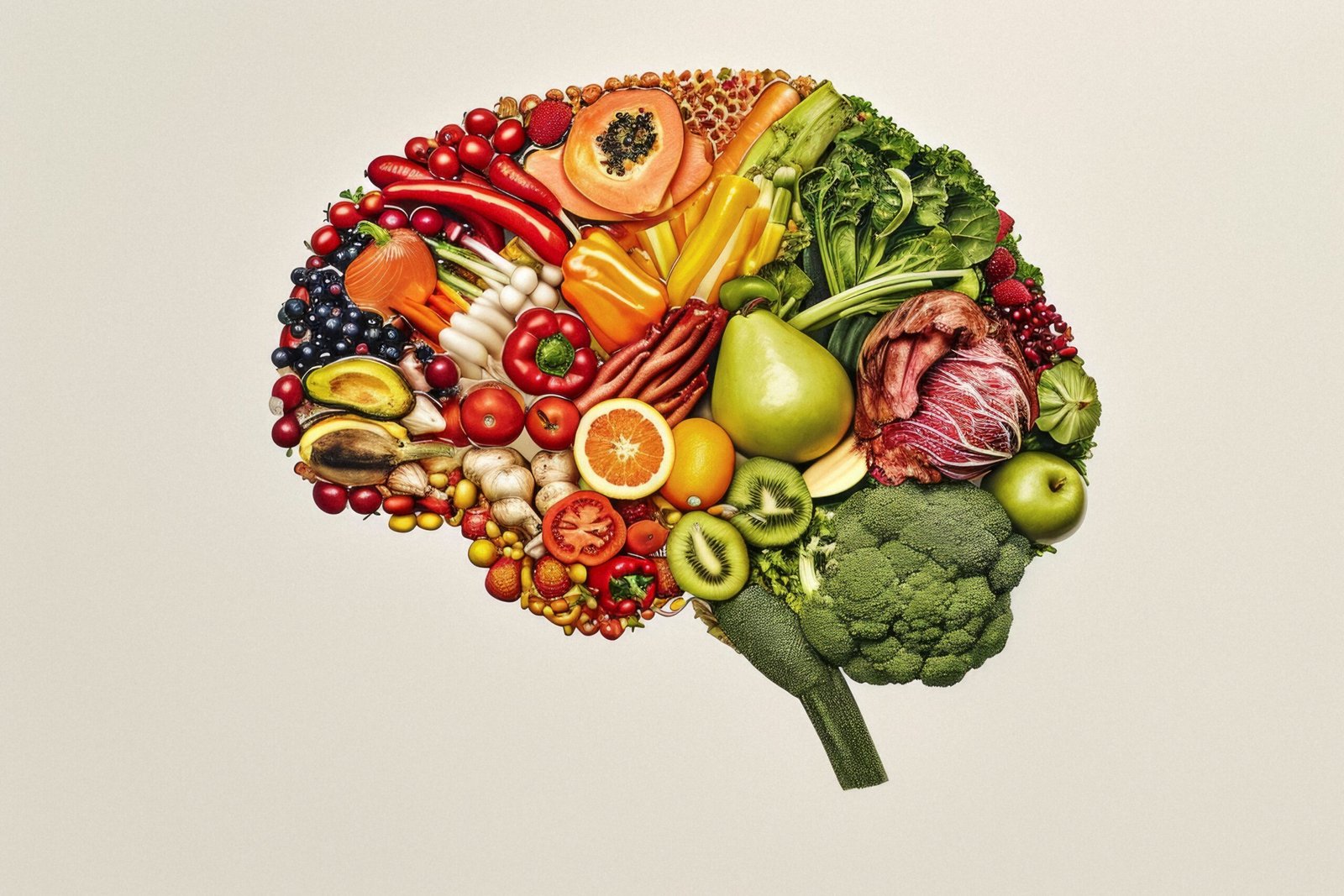
A Gut Issue – or Something Bigger?
From bloating and constipation to reflux, nausea, and irregularity, digestive symptoms are some of the most common – and most overlooked – signals our bodies send. Many of us learn to live with them, blaming stress, “sensitive stomachs,” or simply aging. But gut issues rarely exist in isolation. They often reflect deeper shifts in metabolism, hormones, inflammation, and even the brain (1).
And lately, more people than ever are noticing their digestion change in response to new medications like GLP‑1s – drugs designed to support weight loss or manage diabetes that also slow gastric emptying, dampen appetite, and can cause significant GI discomfort. But GLP‑1s aren’t the only drivers of modern digestive dysfunction. Conditions like IBS, gastritis, and gut dysbiosis are increasingly common, too – and they all point to the same thing: a gut ecosystem that’s out of sync (1,2).
This article explores why so many of us are dealing with gut issues – whether due to medication, inflammation, or long-term diet patterns – and how nutrition, particularly fibre-rich, plant-diverse foods, can begin to shift things in the right direction. From constipation and bloating to sluggish digestion and nausea, we’ll break down what’s really happening in your gut – and how Frinks® can offer gentle, daily support to help restore comfort, motility, and long-term gut resilience (1,2).
Because gut health isn’t just about what you remove – it’s about what you consistently put in.
The Gut – Why It’s So Easily Disrupted
Digestion is not a simple conveyor belt – it’s a coordinated system powered by muscle movement, enzymes, hormones, and the gut microbiome all working in sync. When everything runs smoothly, food is broken down, nutrients absorbed, and waste eliminated. But even one disruption (like stress, low fiber intake, or certain medications) can throw the whole system off.
Take stomach emptying, for example. It’s regulated by nerves and hormones like GLP‑1, which helps slow things down to aid absorption. But if this “brake” is too strong, as seen with GLP‑1 medications or metabolic imbalances, it can lead to symptoms like nausea, early fullness, and bloating.
Motility, or how food moves through the gut, depends on healthy nerves and microbial byproducts like short-chain fatty acids (SCFAs), which come from fiber fermentation. Low fiber or microbiome disruption can slow transit, leading to constipation and discomfort.
Then there’s the gut-brain axis, a constant communication line between your nervous system and your GI tract. Stress and anxiety can suppress motility, reduce enzyme output, and heighten pain sensitivity, making mild digestive issues feel much worse.
Finally, the microbiome plays a crucial role: it helps break down food, regulate inflammation, and signal to the body. When gut bacteria are out of balance, everything from digestion to mood can be affected.
In short: gut symptoms rarely come from a single cause. They emerge when this complex system becomes uncoordinated – and healing it means restoring that balance across the board (2).
When the System Falls Out of Sync: Common Causes of Digestive Disruption
- Chronic Stress and Anxiety: Stress activates the HPA axis and releases cortisol, which suppresses both gut motility and microbial diversity. It also dampens the vagus nerve, reducing communication between brain and gut. In some people, this leads to delayed emptying and constipation; in others, spasms and loose stools.
- Hormonal Shifts (e.g., Menopause, PCOS): Estrogen has a regulatory effect on gut motility and microbial composition. In menopause, declining estrogen is associated with slowed transit, reduced microbial diversity, and increased bloating. In PCOS, insulin resistance and androgen excess can impair GLP‑1 and bile signaling, altering digestion and leading to irregular bowel patterns.
- Low-Fibre, Ultra-Processed Diets: A lack of dietary fibre reduces microbial diversity and the production of key SCFAs like butyrate, which support gut barrier function and peristalsis. Ultra-processed foods can also increase inflammatory compounds like AGEs, disrupting bile and enzyme signaling and contributing to dysbiosis.
- GLP‑1 Medications: While effective for blood sugar and appetite control, GLP‑1 receptor agonists (like semaglutide) amplify the gut’s natural “braking” mechanism, slowing gastric emptying by up to 50%. This delay can cause nausea, bloating, and constipation, especially early in treatment. Long-term use may also shift microbial composition, sometimes reducing diversity.
- Gut Infections and Post-Antibiotic States: Pathogenic infections (e.g., C. difficile) or broad-spectrum antibiotics can wipe out up to 50% of gut bacteria, leading to poor fermentation, increased gas, and overgrowth of opportunistic organisms. These shifts often persist for months, contributing to IBS-like symptoms and altered motility (2).
Common GI Symptoms – What They Mean and How Nutrition Can Help
Constipation
Constipation is more than just an inconvenience – it’s a sign that the gut’s finely tuned system has lost its rhythm. Characterised by infrequent, hard, or difficult-to-pass stools, it’s one of the most common digestive complaints globally. Whether occasional or chronic, it signals an imbalance in motility, hydration, fiber intake, microbial fermentation, or all of the above.
- The Science of Constipation (In Simple Terms)
- Sluggish Motility
Peristalsis – the wave-like muscle movements that push stool along – can slow with stress, aging, inactivity, or nerve issues. When stool lingers, it dries out and becomes harder to pass. - Low Fibre
Fibre gives stool bulk and softness. Soluble fibre (oats, flax) forms a gentle gel; insoluble fibre (vegetables, bran) helps sweep things through. Without enough, stool becomes small, dry, and slow-moving. - Dehydration
If your body is low on fluids, the colon pulls extra water out of stool, leaving it compact and hard. - Microbiome Imbalance
Healthy gut bacteria ferment fibre into short-chain fatty acids (SCFAs) that fuel the gut and stimulate motility. When the microbiome is disrupted – by antibiotics, stress, or poor diet – motility slows. - Hormonal Changes
Shifts in estrogen, progesterone, thyroid hormones, or insulin (e.g., menopause, PCOS, hypothyroidism) can reduce bowel tone and slow transit. - Stress & the Gut-Brain Axis
Chronic stress dampens vagus-nerve activity and alters serotonin signaling (most serotonin is made in the gut), both of which reduce bowel contractions and contribute to constipation (3).
- Why GLP-1 Medications can trigger constipation
Medications like semaglutide or liraglutide (used for weight loss or diabetes) can also trigger or worsen constipation. While not the cause for everyone, they work by slowing digestion to prolong feelings of fullness – and this same action reduces gut motility.
Here’s how GLP-1s cause constipation:
- Slow down peristalsis via GLP-1 receptor activation in the enteric nervous system
- Reduce food volume and fiber intake due to appetite suppression
- Lower fluid intake, as hunger and thirst cues both decrease
- Shift the microbiome toward lower diversity, reducing SCFA production and motility signaling
This combination – slower transit, less bulk, and less microbial fermentation – sets the stage for harder, drier stools. Constipation affects 10–30% of GLP-1 users, especially in the early weeks of therapy or when hydration and fiber are low (4,5).
- Nutrition-Based Solutions (for Everyone, GLP-1 or Not)
Whether your constipation is related to lifestyle, hormones, medication, or gut imbalance, dietary support is the foundation of relief – often more effective (and gentler) than laxatives.
Here’s what works:
- Add Functional Fibers
- Soluble Fiber (gel-forming): Chia, flax, oats, psyllium
- Insoluble Fiber (bulking): Leafy greens, carrots, bran, seeds, legumes
- Goal: Gradually increase to 25–30g/day, paired with plenty of water
- Sorbitol-Rich Fruits (Natural Osmotic Laxatives)
- Prunes: Clinically shown to double bowel frequency
Apples & Pears: Contain sorbitol + pectin (a fermentable fiber) - Kiwi: Boosts motility; shown to help even in IBS-related constipation
- Stay Hydrated
- 1.9 – 2.8 l/day (more with high fiber)
- Herbal teas (peppermint, fennel) support motility
- Avoid caffeine and alcohol, which are dehydrating
- Include Healthy Fats & Omega-3s
- Lubricate the gut lining and reduce inflammation
- Found in: Avocados, flaxseed oil, hemp seeds, fatty fish (e.g., salmon) (4,5)
- Which Frinks Help with Constipation
| Frink | Constipation-Supporting Ingredients | How It Helps |
| P-Power | Prunes, flax, passionfruit, plums | Sorbitol, fiber, omega-3s, hydration support |
| Traffic Light Punch | Chia, berries, lemon, grapes | Gel-forming fiber, polyphenols, electrolytes |
| Cocomangofango | Kiwi, pineapple, coconut, mango | Enzymes, fiber, hydration, healthy fats |
| Orchard Frink | Apples, pears, pomegranate, pumpkin seeds | Pectin, sorbitol, magnesium, fiber |
| God Yoghurt Frink | Spinach, banana, hemp, avocado | Fiber + fat combo, magnesium, hydration |
| Summer Love | Dried apricots, sesame, citrus | Natural laxatives, calcium, vitamin C synergy |
Nausea
Nausea isn’t just a “tummy problem.” It’s a full-body alarm – driven by your gut, brain, hormones, and nervous system – designed to protect you from harm, whether that harm is spoiled food, stress, hormonal shifts, or medication.
- The Science of Nausea (In Simple Terms)
Nausea originates in a part of the brainstem called the dorsal vagal complex (DVC) – your body’s nausea control center. It receives messages from:
- The gut (via the vagus nerve)
- The bloodstream (detecting toxins or medications)
- The inner ear (motion signals)
- The brain itself (emotion, anxiety, anticipation)
When these messages hit overload (due to infection, stress, or a medication like a GLP-1 agonist) the system fires off nausea signals: queasiness, reduced appetite, dizziness, and sometimes vomiting (6).
- Why GLP-1 Medications Can Trigger Nausea
GLP-1 medications (like semaglutide or liraglutide) are powerful tools for weight loss and blood sugar control. But one of their most common side effects – especially early on – is nausea, affecting up to 30–40% of users.
Here’s why:
- They Slow Digestion
These medications delay stomach emptying (the “ileal brake” effect), keeping food in the stomach longer. This can cause a sense of fullness, bloating, or nausea, especially after rich or large meals. - They Stimulate Nausea Pathways in the Brain
GLP-1 receptors aren’t just in your gut, they’re also in your brain’s nausea center. When activated too strongly, they increase serotonin (5-HT) and substance P – two key nausea-triggering chemicals. - They Suppress Appetite
Less hunger means less eating… but also less overall food volume, which can make the stomach more sensitive and less adaptable to changes in meal timing or content (6).
- Nutrition-Based Solutions (for Everyone, GLP-1 or Not)
Before reaching for anti-nausea medication, there are several highly effective, evidence-backed strategies that can reduce nausea – both from GLP-1 meds and other causes like stress, fatigue, or hormone shifts.
1. Adjust Eating Habits
- Small, frequent meals (5–6 times/day)
- Avoid greasy, spicy, or high-fat meals
- Eat bland but nutritious foods (e.g., banana, oats, toast, rice)
- Protein-rich snacks like Greek yogurt or boiled eggs can stabilize blood sugar and reduce queasiness
2. Include Anti-Nausea Nutrients
- Ginger: 1g/day (tea, chews, or fresh) reduces nausea by up to 40% (works like a mild serotonin blocker)
- Peppermint: Calms the GI tract (tea, essential oil, or mints)
- Bland fruits: Applesauce, banana, kiwi – easy on digestion but nourishing
Electrolytes: Low potassium/magnesium can worsen symptoms – coconut water, citrus, and seeds help restore balance
3. Lifestyle Tips
- Stay upright after meals (don’t lie down right away)
- Sip fluids between meals, not during
- Try gentle movement like walking
Practice deep breathing (parasympathetic activation calms gut-brain signals) - Use acupressure (P6 wrist point) – shown to reduce nausea in both motion sickness and GLP-1 users (7)
- Which Frinks Help with Nausea
| Frink | Anti-Nausea Support | Why It Works |
| Cocomangofango | Coconut, kiwi, pineapple | Hydration + enzymes (bromelain) support gentle digestion |
| Traffic Light Punch | Berries, lemon, chia | Polyphenols + fiber soothe gut lining; citrus adds electrolytes |
| God Yoghurt Frink | Banana, spinach, avocado | Magnesium + fats stabilize gut signals and calm nausea |
| Summer Love | Dried apricot, lime, sesame | Natural sugars for energy + vitamin C to combat fatigue-induced queasiness |
| Orchard Frink | Apple, pear, pomegranate | Gentle pectin fiber + sorbitol to ease digestion without triggering bloating |
Gastritis/Reflux
Gastritis and GERD (gastroesophageal reflux disease) are often confused, but both involve inflammation caused by acid imbalance – one in the stomach lining (gastritis), the other in the esophagus (GERD). While not dangerous in the short term, chronic irritation can reduce quality of life and worsen gut-brain symptoms like nausea, fatigue, and bloating.
- The Science of Gastritis (In Simple Terms)
- Stomach acid (HCl) is essential for digestion, but too much (or too little mucosal protection) leads to irritation.
- Prostaglandins, which usually maintain blood flow and mucus secretion in the stomach, are reduced by triggers like NSAIDs, alcohol, stress, or infections.
- Helicobacter pylori (H. pylori), a common bacterial infection, can erode the lining and increase acid sensitivity.
- In chronic cases, immune cells infiltrate the stomach lining, leading to atrophy or even ulcers if left untreated (8).
- Why GLP-1 Medications Can Trigger Gastritis
Gastritis symptoms and GLP-1 medication usage are moderately correlated. The incidence of gastritis is 10–25% in GLP-1 users vs. 5–10% in the general population. GLP-1 agonist are designed to slow digestion, which unfortunately can increase stomach pressure and worsen reflux in sensitive individuals.
- What happens: GLP-1 delays stomach emptying by up to 50%, increasing pressure in the stomach and sometimes weakening the lower esophageal sphincter (LES).
- Result: Acid or bile can “back up” into the esophagus, leading to burning, fullness, or discomfort after eating – especially with large or high-fat meals (9).
- Nutrition-Based Solutions (for Everyone, GLP-1 or Not)
When managing gastritis or acid reflux, certain foods can help protect the stomach lining, reduce acid irritation, and support gentle digestion. These foods tend to be alkaline, anti-inflammatory, rich in soluble fiber, or contain natural compounds that calm the gut. Including them regularly can ease discomfort, especially when paired with lifestyle changes.
Recommended Foods:
- Oatmeal
- Bananas
- Melon
- Steamed greens (e.g. spinach, broccoli)
- Almonds
- Chia seeds
- Flaxseeds
- Psyllium husk
- Ginger tea
- Chamomile tea
- Fennel
- Low-fat Greek yogurt
These foods are consistently recommended for gastritis and reflux because they lower stomach irritation, reduce acid exposure, and support the healing of the gastric lining. Many are naturally alkaline or low‑acid, which helps neutralize excess gastric acid. Others contain soluble fibre that forms a protective gel in the stomach, reducing contact between acid and the mucosa (9, 10).
- Which Frinks Help with Gastritis
Several Frinks contain ingredients that naturally soothe the stomach, reduce inflammation, and provide hydration – all essential for reducing acid irritation and healing gastritis.
| Frink | GERD/Gastritis Support | Why It Works |
| God Yoghurt Frink | Banana, spinach, hemp, avocado | Magnesium + healthy fats protect lining, reduce acid |
| Summer Love | Apricot, lime, sesame seeds | Alkaline fruits + calcium from sesame help neutralize acid |
| P-Power | Prunes, flax, passionfruit | Gentle fiber + omega-3s ease inflammation and support gut lining |
| Traffic Light Punch | Berries, lemon, chia | Polyphenols + chia gel soothe reflux and reduce oxidative stress |
| Cocomangofango | Coconut, kiwi, pineapple | Anti-inflammatory + enzyme support for better digestion and acid clearance |
Irritable Bowel Syndrome (IBS)
Irritable Bowel Syndrome (IBS) is a chronic condition affecting how the gut and brain communicate, leading to abdominal pain, bloating, and changes in bowel habits (constipation, diarrhea, or both). It affects up to 15% of people globally, especially women aged 20-40.
- The Science of IBS (Simple Terms)
IBS is not caused by structural damage, but rather by functional imbalances, including:
- Gut-brain axis dysregulation: Misfiring between the nervous system and gut muscles.
- Visceral hypersensitivity: The gut feels pain from normal digestion.
- Abnormal motility: Either too fast (diarrhea) or too slow (constipation).
- Microbiome imbalance: Reduced bacterial diversity can worsen gas and inflammation.
- Dietary triggers: Fermentable carbs (FODMAPs), caffeine, lactose often worsen symptoms.
- Stress & anxiety: Mental health directly impacts gut movement and sensitivity (11).
- How Nutrition (and Frinks) Can Help
- Low-FODMAP Diet: Reduces fermentable carbs that cause gas and bloating; improves symptoms in 50–80% of cases.
FODMAP stands for:
- Fermentable
- Oligosaccharides (e.g. fructans in wheat, garlic, onions)
- Disaccharides (e.g. lactose in milk, yogurt)
- Monosaccharides (e.g. excess fructose in apples, honey)
- And
- Polyols (e.g. sorbitol, mannitol in prunes, stone fruits, sugar-free gum)
- Tailored Fiber Intake: Soluble fiber (like oats, chia, kiwi) supports smoother digestion; avoid excessive insoluble fiber in IBS-D.
- Hydration & Omega-3s: Reduce gut inflammation and support motility (12).
| Frink | IBS Symptom Targeted | Why It Helps |
| P-Power | Constipation (IBS‑C) | Prunes provide sorbitol (natural laxative) and soluble fiber; flax adds omega-3s and motility-supporting fiber. |
| Orchard | Bloating, Irregular Bowel Movements | Pectin from apples/pears is a prebiotic fiber that supports gut bacteria and smooth digestion; polyphenols reduce inflammation and gas. |
| Cocomangofango | Gas, Bloating, Inflammation | Kiwi aids digestion and regularity (clinically shown); pineapple’s bromelain supports protein breakdown; mixed fibers feed the microbiome. |
| Traffic Light Punch | Microbiome Support, IBS‑D Regulation | Chia provides gel-forming fiber to slow motility (helpful in IBS‑D); berries offer polyphenols for gut barrier and inflammation control. |
| Summer Love | Mild Constipation, Gut Sensitivity | Dried apricots are gentle sources of sorbitol; sesame offers calming healthy fats; citrus adds vitamin C for gut lining repair. |
| The God Yoghurt | Stress-related IBS, Mixed Symptoms | Combines magnesium, healthy fats, and polyphenols to support gut-brain axis and reduce stress-induced flare-ups. |
Gut Healing Doesn’t Start with Elimination. It Starts with Consistency.
Restrictive diets and medications have their place, but real gut health is built through daily habits – fiber-rich foods, hydration, movement, and stress management. Whether you’re managing IBS, GLP-1 side effects, or just aiming for smoother digestion, the most powerful changes come from showing up for your gut every single day. Keep it simple. Stay consistent. Let your body do the rest.
Reduce your symptoms here – Buy the Frinks®
References
- O’Malley MA. The concept of balance in microbiome research. BioEssays. 2024;46(8):e2400050.
- Lushchak VI. Symphony of digestion: coordinated host–microbiome enzymatic interplay in gut ecosystem. Biomolecules. 2025;15(8):1151.
- Diaz S, Bittar K, Hashmi MF, Mendez MD. Constipation. StatPearls [Internet]. 2023. Available from: https://www.ncbi.nlm.nih.gov/books/NBK513291/ (accessed 2025 Dec 2).
- Mozaffarian D, Agarwal M, Aggarwal M, Alexander L, Apovian CM, Bindlish S, et al. Nutritional priorities to support GLP-1 therapy for obesity: a joint advisory from the American College of Lifestyle Medicine, the American Society for Nutrition, the Obesity Medicine Association, and The Obesity Society. Am J Lifestyle Med. 2025;15598276251344827.
- Edwards C. Constipation from GLP-1 medications: causes & natural fixes. Revolution Health & Wellness [Internet]. 2025. Available from: https://revolutionhealth.org/blogs/news/glp1-constipation-natural-treatment (accessed 2025 Dec 2).
- Zhong W, Shahbaz O, Teskey G, Beever A, Kachour N, Venketaraman V, Darmani NA. Mechanisms of nausea and vomiting: current knowledge and recent advances in intracellular emetic signaling systems. Int J Mol Sci. 2021;22(11):5797.
- Camilleri M, Lupianez-Merly C. Effects of GLP-1 and other gut hormone receptors on the gastrointestinal tract and implications in clinical practice. Am J Gastroenterol. 2023;119(6):1028–37.
- Bertin L, Savarino V, Marabotto E, Ghisa M, de Bortoli N, Savarino EV. Pathophysiology of GERD. Digestion. 2025. doi:10.1159/000547023.
- Katz PO, Dunbar KB, Schnoll-Sussman FH, Greer KB, Yadlapati R, Spechler SJ. ACG clinical guideline for the diagnosis and management of gastroesophageal reflux disease. Am J Gastroenterol. 2021;117(1):27–56.
- Chiang C-H, Jaroenlapnopparat A, Colak SC, Yu C-C, Xanthavanij N, Wang T-H, et al. [Incomplete reference—details missing in your original text; I can finalise if you provide title, journal, year, pages]
- Nathani RR, Sodhani S, Vadakekut ES. Irritable Bowel Syndrome. StatPearls [Internet]. 2025. Available from: https://www.ncbi.nlm.nih.gov/books/NBK534810/ (accessed 2025 Dec 2).
- Alrasheedi AA, Jahlan EA, Bakarman MA. The effect of low-FODMAP diet on patients with irritable bowel syndrome. Sci Rep. 2025;15(1):16382.