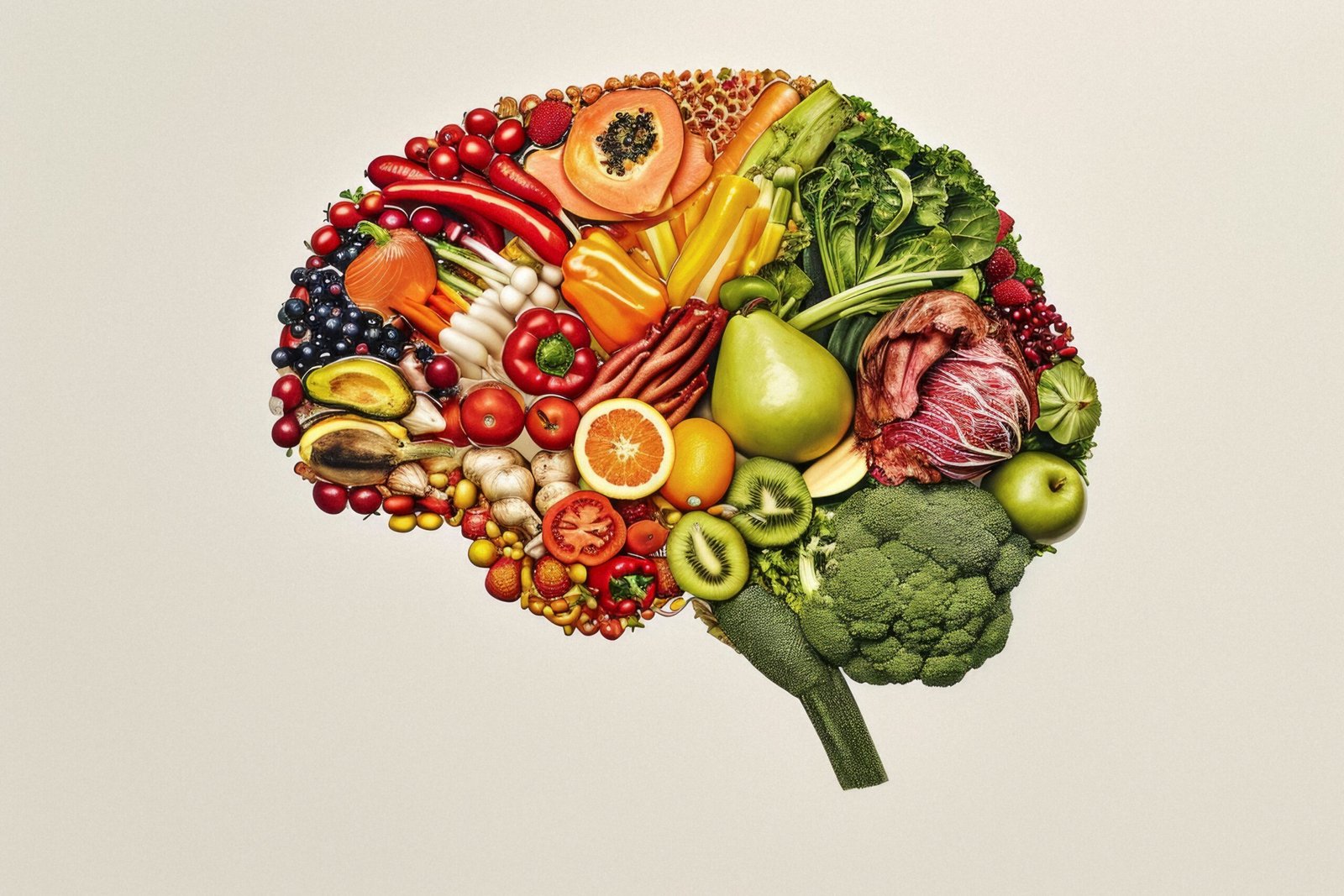
When a ‘Meal’ Isn’t Really a Meal: Rethinking the Modern Meal Replacement
It’s become a common shortcut. Busy day, no time to cook – so you reach for a bottle or sachet that promises complete nutrition in a few gulps. On the surface, it’s a clever solution: some protein, added fibre, a list of vitamins and minerals, and often fewer calories than a sandwich. It feels like a smart, efficient swap.
But here’s the thing: just because something contains nutrients doesn’t mean it behaves like a meal – at least not in the way your body expects.
Many so-called meal replacement drinks fall into a nutritional grey zone. They’re not devoid of value – they often do contain protein, fats, carbs, and a sprinkling of micronutrients. But they’re also highly engineered, ultra-processed products, designed for stability, shelf life, and scalability more than satiety or metabolic health.
The issue isn’t simply that they’re drinks, or even that they’re low in calories. It’s that they rarely replicate the physiological cues and complex food structures our bodies associate with eating. And when you’re trying to lose weight, manage appetite, or support your long-term health, that difference matters more than it might seem.
In this article, we’ll unpack what a real meal provides – not just in terms of macros and micros, but in how it interacts with the gut, hormones, and appetite regulation. We’ll look at why most commercial “meal” drinks fall short, how marketing can obscure that reality, and how to spot better alternatives when you genuinely need something fast.
Because not all convenience is created equal – and in the world of nutrition, structure often matters just as much as content.
A Balanced Look at Processed Meal Replacements: Potential vs. Practical Gaps
Not all meal replacement drinks are created equal – and not all processing is inherently problematic. In fact, recent research suggests that some functional beverages, particularly those made from millets, legumes, cereals, and vegetables, can be formulated to deliver substantial nutritional value in convenient, shelf-stable forms. Case studies like quinoa-based fermented drink powders or probiotic millet-legume blends illustrate how controlled processing techniques (such as malting, fermentation and drying) can enhance protein quality, bioavailability, and gut-health benefits, while offering practical advantages like longer shelf life and reduced packaging needs. These products show that processing can be used as a tool to deliver nutrient-dense, meal-like alternatives, especially in settings where access to fresh, whole meals is limited (1,2).
But this potential is not always realised – especially in the commercial market. Many functional or meal-replacement drinks make bold claims based on limited or inconsistent evidence, often extrapolating from small, short-term trials or in vitro findings to suggest broad health benefits that haven’t been shown in real-world use. Even when a product contains promising ingredients like polyphenols, probiotics, or added vitamins, factors like heat, light, and pH during processing and storage can degrade active compounds, reducing their actual effectiveness at the point of consumption. And the drink format itself may limit nutrient absorption due to binding, competition, or low bioavailability in the beverage matrix (1,2,3).
Moreover, to make these drinks palatable and stable, manufacturers often lean on intense sweeteners, flavourings, emulsifiers, and other additives, resulting in ultra-processed formulations that may have more in common with industrial desserts than real meals. This not only raises concerns about long-term diet quality, but also about the so-called “health halo” effect – where a high-protein, fibre-fortified shake is perceived as inherently healthy, even if it contains little satiety value and displaces more balanced eating. Regulatory labels like “supports immunity” or “vitality blend” can further blur the line between marketing and science, often overestimating the benefit and underplaying the trade-offs (3,4).
In short, while processing can be used to create genuinely nutritious, functional drinks, the reality in most commercial meal replacements is less impressive. Nutrient integrity is often compromised for shelf life, satiety is sacrificed for smoothness and convenience, and the promise of a “complete” meal rarely lives up to how the body actually processes, digests, and responds to food. When evaluating whether a shake is truly a meal, it’s not enough to count the grams of protein or fibre – we also need to ask whether it behaves like a meal once it’s in your system (4).
What a Real Meal Should Look Like
According to the UK’s Eatwell Guide, a complete meal should ideally contain a balance of vegetables or fruit (at least one-third of the plate), a starchy carbohydrate (preferably wholegrain), a source of lean protein, and some healthy fats, with minimal added sugar, salt and saturated fat. Meals should also provide essential micronutrients through food-based sources rather than relying solely on fortification. Crucially, the emphasis is on variety, and minimally processed foods, supporting both nutrient density and satiety. Compared to this benchmark, most commercial meal-replacement drinks – even those with added protein or fibre – fall short. As we’ve seen, they’re often ultra-processed, lack textural variety, and rely heavily on synthetic additives and isolated nutrients, rather than whole food ingredients. While some functional beverages do aim to approximate the nutritional profile of a meal, few deliver the full physiological and sensory experience that the Eatwell Guide promotes, especially when it comes to chewing, food volume, and digestive signalling that support fullness and appetite regulation (5).
The Problem: Many Drinks Are Not Meals
Technologies like pasteurisation, spray-drying, extrusion and ultra-high temperature treatments are essential for shelf life and safety, but they come with nutritional trade-offs. For instance, heat-sensitive vitamins such as vitamin C and thiamine (B1) can break down during processing and storage. Even fat-soluble vitamins like A and E are at risk of degradation through oxidation over time. While these nutrients may still appear on the label, their actual bioavailability (how much the body can absorb and use) is often much lower (6).
Protein and fat quality are also affected. High temperatures can denature proteins, reducing their digestibility and altering key amino acids. Unsaturated fats may oxidise, producing compounds the body processes differently than fresh fats. These changes don’t just influence nutrition on paper – they affect how the body responds after consumption (6).
Fibre, a key component of satiety and gut health, is especially vulnerable. Many meal-replacement drinks remove fibre-rich parts of plants during refining or clarification; for example, discarding fruit and vegetable pulp or milling away grain bran. But even when fibre is left in, it’s often chemically altered by high-heat or mechanical processes. This can break large fibre molecules into smaller fragments that don’t behave the same way in the gut. These changes can reduce the fibre’s ability to hold water, form gels, or feed beneficial gut bacteria effectively. Over-processed fibres may ferment too quickly in the upper colon, causing bloating or discomfort, and missing out on the slower, more beneficial fermentation that comes with intact plant fibres (6).
Beyond the nutrients themselves, the structure and texture of real food also play a crucial role. A typical shake lacks the physical complexity (the chewing, bulk, and gradual digestion) of a real meal. These elements help regulate hunger hormones, slow down energy release, and create a lasting sense of fullness. In contrast, liquid or highly refined products digest quickly, often leading to short-lived satiety and increased appetite soon after (6).
Even when manufacturers add back nutrients through fortification, it’s not always clear how much survives the production process or is actually absorbed. At the same time, to make the final product palatable and stable, many companies add sweeteners, flavours, emulsifiers and stabilisers – which can push these drinks firmly into the ultra-processed category (6).
So while meal-replacement drinks can match the nutrient profile of a meal on paper, they often fall short in practice. The way they’re processed affects not only what nutrients remain, but also how your body experiences and uses them. That’s why the idea that a drink can fully replace a balanced, whole-food meal doesn’t hold up when you look closely at nutrient quality, digestion, and post-meal physiology (6).
The Science of Satiety – and Why Processed Drinks Often Underdeliver
Feeling full isn’t just about how many calories you’ve eaten – it’s the result of a complex, finely tuned physiological cascade that links your gut to your brain. Known as the satiety cascade, this system integrates hormonal, neural, and mechanical signals that together help regulate when we start eating, when we stop, and how long we stay satisfied afterwards (7).
At the core of this system is the gut-brain axis. It begins with hunger signals (such as low blood glucose or rising ghrelin levels) and continues through multiple phases: from sensory anticipation and gastric stretching, to the release of key gut hormones like GLP-1, PYY and CCK. These hormones act on the brain’s appetite centres to produce satiety – a sense of fullness that ideally keeps us from reaching for more food too soon. Finally, post-meal metabolic signals (including insulin response and glucose oxidation) reinforce long-term satiety between meals (7).
But modern processed foods, especially those that are highly palatable, energy-dense, and low in structural complexity, can disrupt this system. As Amin and Mercer (2016) argue, the global rise in obesity reflects not just excessive calorie intake, but a breakdown in homeostatic energy regulation – where hedonic drive (i.e. food reward) overrides the physiological checks and balances that normally help us stop eating (7).
Meal-replacement drinks, though marketed as convenient tools for calorie control, may inadvertently trigger this kind of dysregulation. Their smooth texture, liquid form, and simplified food matrix mean they often bypass key satiety mechanisms. Liquids empty from the stomach far more quickly than solids, reducing gastric distension and blunting the early-phase satiation response. They also lack chewing, which plays a role in satiety signalling via oral and cephalic-phase pathways. Even when fortified with protein or fibre, the structural simplicity of these drinks may mean they fail to sufficiently trigger the gut hormone response associated with long-lasting fullness. The EU-funded SATIN and Full4Health projects have investigated how different food textures, structures, and nutrient combinations influence satiety. For example, studies suggest that solid or semi-solid foods promote stronger and more prolonged gut-hormone responses (GLP-1, PYY) compared to isocaloric liquids (7).
In short, the human body doesn’t just need nutrients – it needs the right sensory and hormonal cues to recognise that a meal has been consumed. Without these, even a nutritionally “complete” shake can leave the body unconvinced, prompting premature hunger, grazing, or overconsumption later in the day (7).
When the Shake Doesn’t Satisfy: Hidden Consequences for Weight Loss
For many people trying to lose weight, meal-replacement drinks seem like a straightforward solution: fewer calories, less decision-making, and complete nutrition in a convenient bottle. But the reality is far more complex, and in some cases, counterproductive (8).
One of the most common issues is blood sugar dynamics. Many meal-replacement shakes, even those labelled as “low sugar”, rely on rapidly absorbed carbohydrates such as maltodextrin or glucose syrup for palatability and energy. These can cause a rapid rise in blood glucose, followed by a crash, a pattern linked to fatigue, irritability, and cravings, particularly for more high-reward, ultra-processed foods. This rollercoaster makes it harder to sustain consistent energy and appetite regulation throughout the day (8,9,10).
Perhaps more insidious is the false sense of restraint that comes from believing one has eaten a “complete meal.” When the label promises nutritional adequacy and fullness, it’s easy to assume you’ve made a balanced choice, and to lower your guard. But if the body doesn’t receive adequate signals of satiety, due to liquid form, low energy density, or lack of chewing – it may continue to send hunger cues, while the mind holds back, thinking it’s already “been good.” This disconnect can contribute to a pattern of under-eating followed by compensation, particularly in the evening, when decision fatigue sets in (8,9).
Over time, there’s also the question of micronutrient reliance. While fortified meal replacements may cover basic vitamin and mineral targets, they might do so using synthetic isolates – not the complex, food-bound forms found in whole meals. There’s growing concern that long-term dependence on this model of nutrition could shift individuals towards a kind of nutrient dependency on supplements, rather than encouraging sustainable, food-based dietary patterns that support long-term health and microbiome diversity (8,9,10).
It’s important to be clear: the problem is not the concept of a meal replacement itself. The issue lies in the gap between marketing claims and physiological reality. Many commercial shakes are designed for simplicity, not for how the body actually processes, digests, and responds to food. They may promise control, but if they leave you hungrier, less satisfied, and more prone to rebound eating, they can quietly sabotage your progress; all while convincing you you’re on the right track.
Frinks: Real-Ingredient Functionality, Without the Fillers
While many modern meal replacements are built around isolates, emulsifiers, and intense processing, FiiHii Frinks® take a different route. Blending whole fruits, functional seeds, and plant-based compounds, each Frink delivers digestible, naturally balanced nutrition in a pouch – without synthetic additives or artificial sweeteners.
Rather than relying on ultra-processed formulations, Frinks retain the structure and complexity of real food ingredients. They include natural fibre, healthy fats, and plant polyphenols, all of which play key roles in supporting digestion, energy stability, and light satiety between meals.
With a variety of blends tailored to support digestion, hydration, mood, or energy, Frinks can be enjoyed:
- As a light meal option when appetite is low or time is short (e.g. breakfast)
- As a smart, functional snack to bridge longer gaps between meals
- As a gut-friendly add-on when your main meal needs more fibre or phytonutrients
Each pouch includes a mix of soluble and insoluble fibre from ingredients like chia, prunes, berries, and flax, which help slow digestion, support gut regularity, and promote steady energy. Natural fats from seeds and avocado aid the absorption of fat-soluble nutrients, while antioxidant-rich fruits like grapes, pomegranate, and citrus support immune and skin health.
For those looking to lighten their meals without compromising on nourishment, or simply to move away from heavily processed drinks, Frinks offer a satisfying middle ground. Clean, plant-based, and full of purposeful ingredients, they’re a smarter way to nourish your body when life gets busy.
Get your true meal replacements here – Buy Now!!
References:
- Kaur R, Shekhar S, Prasad K. Functional beverages: recent trends and prospects as potential meal replacers. Food Mater Res [Internet]. 2024 [cited 2025 Dec 9];4(1). Available from: https://doi.org/10.48130/fmr-0023-0041
- Rouse N, Collier J, Neilson L, Mellor C, Urbanek E, Lee M, et al. The relative influence of perceived processing level alongside nutrition, health, sustainability and price on consumer decision-making for meal-replacement products: A conjoint analysis. Food Qual Prefer [Internet]. 2025 [cited 2025 Dec 9];133:105620. Available from: https://doi.org/10.1016/j.foodqual.2025.105620
- Dini I. An overview of functional beverages. In: Grumezescu AM, Holban AM, editors. Functional and Medicinal Beverages [Internet]. Amsterdam: Elsevier; 2019. p. 1–40. Available from: https://doi.org/10.1016/B978-0-12-816397-9.00001-7
Sugajski M, Buszewska-Forajta M, Buszewski B. Functional beverages in the 21st century. Beverages [Internet]. 2023 [cited 2025 Dec 9];9(1):27. Available from: https://doi.org/10.3390/beverages9010027 - NHS. The Eatwell Guide [Internet]. London: nhs.uk; 2022 [cited 2025 Dec 9]. Available from: https://www.nhs.uk/live-well/eat-well/food-guidelines-and-food-labels/the-eatwell-guide/
- Singh B, Pavithran N, Rajput R. Review – Effects of food processing on nutrients. Curr J Appl Sci Technol [Internet]. 2023 [cited 2025 Dec 9]. Available from: https://api.semanticscholar.org/CorpusID:265561115
- Amin T, Mercer JG. Hunger and satiety mechanisms and their potential exploitation in the regulation of food intake. Curr Obes Rep [Internet]. 2016 [cited 2025 Dec 9];5(1):106–12. Available from: https://doi.org/10.1007/s13679-015-0184-5
- Ludwig DS. The glycemic index. JAMA [Internet]. 2002 [cited 2025 Dec 9];287(18):2414. Available from: https://doi.org/10.1001/jama.287.18.2414
- Wansink B, Chandon P. Can “low-fat” nutrition labels lead to obesity? J Mark Res [Internet]. 2006 [cited 2025 Dec 9];43(4):605–17. Available from: https://doi.org/10.1509/jmkr.43.4.605
- Hurrell R, Egli I. Iron bioavailability and dietary reference values. Am J Clin Nutr [Internet]. 2010 [cited 2025 Dec 9];91(5):1461S–1467S. Available from: https://doi.org/10.3945/ajcn.2010.28674f