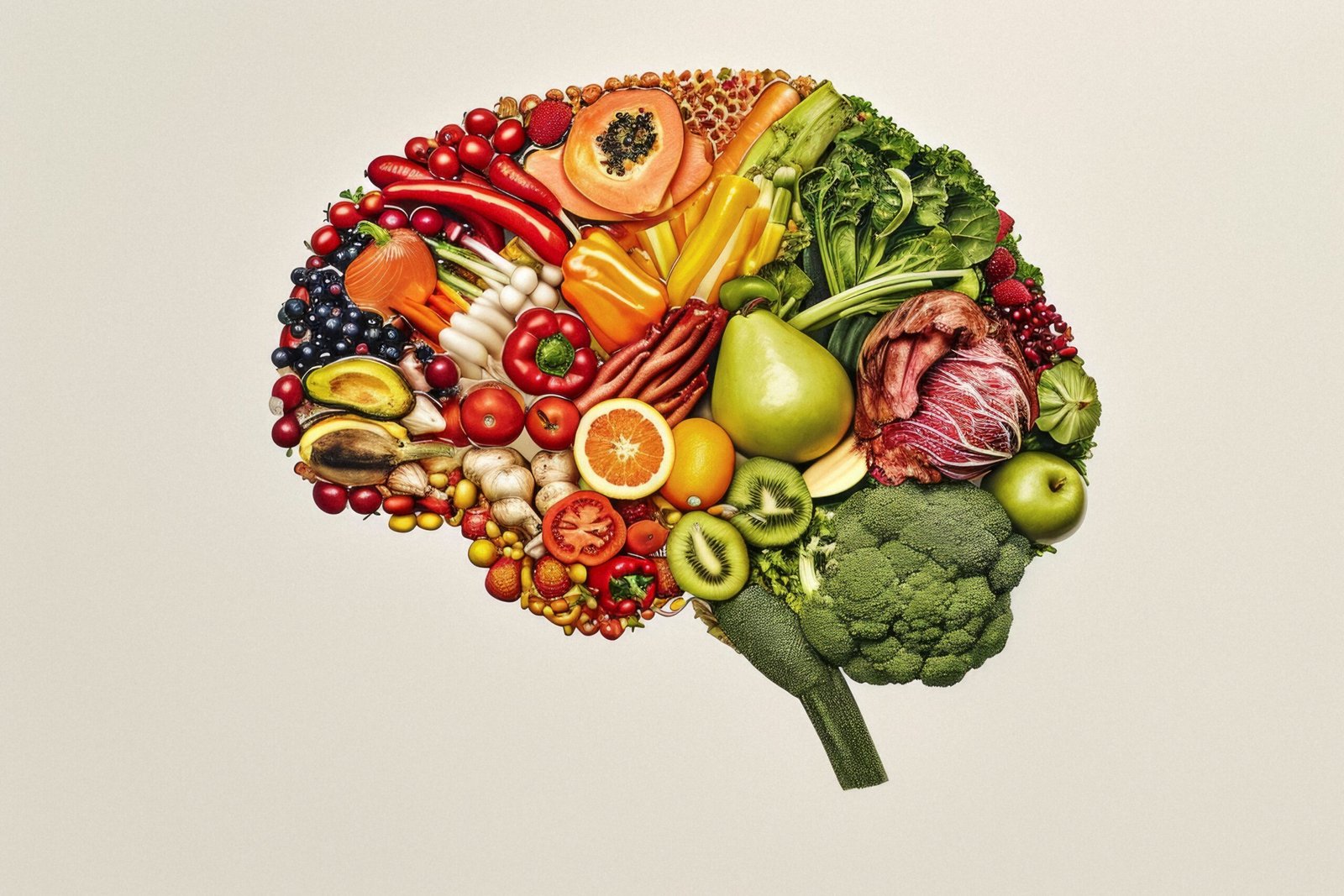
One Strategy for Two Organs – How Cardiovascular Health Shapes Brain Ageing
The heart and brain may seem like distinct systems, but biologically, they are deeply interdependent. They share a common vascular network – and over time, that network becomes a key point of convergence for ageing processes in both organs. The same long-term forces that wear out arteries also reshape the brain’s white matter: high blood pressure, poor glucose control, dyslipidaemia and inflammation all gradually compromise small vessel function. And just as this accelerates cardiovascular ageing, it also accelerates cognitive ageing.
This was the central finding of a longitudinal Neurology cohort study in over 300 older adults (≥60 years), which used brain imaging to track changes in white matter hyperintensities (WMH) – a key marker of small vessel brain damage – over 5.5 years.¹ The results were clear: participants with more favourable cardiovascular health profiles, based on the American Heart Association’s Life’s Simple 7 metrics (smoking, physical activity, diet, BMI, blood pressure, cholesterol and glucose), experienced significantly slower accumulation of WMH, suggesting that their brains were ageing more slowly at the structural level.¹
Conversely, those with poorer cardiovascular scores – or a higher genetic burden of cardiometabolic risk (15 alleles linked to hypertension, dyslipidaemia and diabetes) – saw faster WMH progression.¹ This direct gene-to-brain link reinforces that cardiovascular risk is not only a predictor of heart disease but also of cerebral tissue damage, particularly in white matter regions critical for mental speed and executive function.
From Vascular Stress to Cognitive Risk
White matter hyperintensities reflect damage to long-range nerve fibres that rely on efficient blood flow and oxygenation. As small arteries stiffen or narrow with age – especially in the presence of elevated blood pressure, poor lipid profiles or metabolic dysfunction – microvascular integrity declines. This leads to chronic underperfusion, local inflammation and eventually the structural disintegration of white matter.¹ The study’s authors framed WMH as a visible manifestation of “vascular brain ageing,” and as a mechanistic bridge between cardiovascular risk and cognitive decline.
This link is not just theoretical. Prior research (cited in the paper’s discussion) has consistently shown that hypertension, diabetes and obesity increase WMH burden and are associated with slower thinking, executive dysfunction and dementia. What this cohort adds is the timeline and modifiability: favourable cardiovascular health in early late life (60s to early 70s) actively slows the trajectory of white matter ageing.¹
Even more striking was the moderation effect: participants with high genetic risk for cardiometabolic disease only experienced significant WMH progression if they also had poor or intermediate cardiovascular health. In those with healthy profiles, the same genetic risk appeared to have no measurable effect on brain ageing – meaning that lifestyle behaviours can buffer or even neutralise the impact of “bad” genes.¹
This evidence supports a simple but powerful idea: you don’t need two separate plans to protect your heart and your brain. The same core habits – no smoking, regular movement, a plant-forward diet, maintaining a healthy weight, and keeping blood pressure, lipids and glucose within optimal ranges – work upstream of both cardiovascular and cognitive decline.
From a clinical and public health perspective, this shared biology is a gift: it means we can treat brain ageing not as a mysterious or inevitable process, but as one deeply shaped by vascular health – and therefore, by behaviour. And it means that the decades-long investment in cardiovascular prevention may already be one of our best tools for protecting memory, attention and cognitive function into later life.
What Ageing Does to Your Arteries – and Why Your Brain Feels It
We often think of cardiovascular ageing in terms of symptoms – breathlessness, elevated blood pressure, fatigue. But long before any of those appear, ageing begins to reshape the blood vessels themselves. The arteries that supply your brain and heart undergo quiet, progressive changes: they stiffen, lose elasticity, and begin to deliver oxygen and glucose less efficiently. And because the brain is a highly metabolic organ with little energy storage, even subtle shifts in perfusion can translate into slower thinking, lower focus, and increased vulnerability to cognitive decline².
This slow restructuring starts at the endothelial level – the delicate lining of your blood vessels. As we age, oxidative stress increases, producing more reactive oxygen species (ROS) that directly impair endothelial function by quenching nitric oxide, a key molecule needed for vessel dilation. This means the vascular system becomes less responsive to moment-to-moment needs. In both animal and human models, this leads to a 20–50% reduction in dynamic blood flow matching – so the brain receives less oxygen precisely when it needs more².
The consequences unfold gradually. Vascular resistance rises by 30-40% in some age groups, and oxygen and glucose delivery to brain tissue declines². At first, the body compensates through autoregulation, but over time, this balance falters, leading to chronic low-level hypoperfusion. It’s “silent” vascular ageing: no obvious symptoms, but measurable through cerebral flow indices or CO₂ reactivity tests, and importantly, modifiable through targeted interventions².
From Metabolic Stress to Neural Strain
Beyond stiffening and reduced perfusion, other age-linked processes feed into this vascular–neural slowdown. Poor glucose control, low-grade inflammation, and rising oxidative stress all interact to accelerate both arterial ageing and neurodegeneration. Chronic hyperglycaemia promotes vessel wall damage and oxidative load, a metabolic loop that compromises both cardiovascular and cognitive tissues².
While this review doesn’t explicitly use the term “metaflammation,” its description of metabolic overload driving vascular dysfunction supports that concept: systemic inflammation, often rooted in diet and adiposity, spills over into the brain, affecting how blood vessels and neurons function under stress². At the same time, mitochondrial efficiency declines with age, reducing cellular energy production and weakening the insulin signalling pathways that help regulate brain and heart metabolism².
Taken together, these changes explain why cognitive slowing so often tracks with cardiovascular ageing. It’s not just that the brain gets older – it’s that the support system around it, especially the vascular system, begins to falter. And that’s exactly what makes this process modifiable. As shown in clinical data, people with healthier cardiovascular profiles are more likely to maintain cerebral perfusion and resist the structural signs of brain ageing; even if they carry genetic risk factors².
One Pattern, Two Benefits – The Diets That Protect Both
A growing body of evidence places the Mediterranean and MIND diets at the forefront of strategies to slow both cardiovascular and cognitive ageing – not as restrictive plans, but as flexible, evidence-based eating patterns grounded in shared biology. Both emphasise high intakes of leafy greens, berries, legumes, whole grains, nuts, olive oil, and fish, while limiting red meats, processed foods, added sugars and saturated fats. The Mediterranean diet, long associated with reduced cardiovascular disease risk, works through its rich supply of monounsaturated fats (from olive oil), omega-3s (from fish and nuts), polyphenols, and dietary fibre – nutrients that improve lipid profiles, reduce blood pressure and inflammation, and enhance endothelial function³.
The MIND diet, derived from Mediterranean and DASH principles, focuses more specifically on brain health. It highlights ten “brain-protective” food groups – including leafy greens, berries, whole grains, olive oil and fish – while limiting foods associated with neurodegeneration, such as red meat, cheese, and pastries. Studies show that MIND adherence is linked to slower cognitive decline and lower Alzheimer’s disease risk, even after accounting for cardiovascular risk – suggesting independent benefits for brain resilience. Mechanistically, MIND’s antioxidant-rich components may reduce neuroinflammation and oxidative damage, preserving synaptic health and reducing harmful amyloid-beta accumulation³.
On a systems level, both diets support vascular and cognitive resilience by lowering oxidative stress and improving nitric oxide availability – a key molecule that helps blood vessels dilate and maintain healthy brain blood flow. This protects against age-related stiffening and ensures consistent oxygen and nutrient delivery to sensitive brain regions³. Additionally, their high fibre and polyphenol content feed a healthier gut microbiome, enhancing short-chain fatty acid (SCFA) production. SCFAs, like butyrate, reduce inflammation, protect the blood–brain barrier, and help regulate metabolism – making the gut a central player in heart–brain health³.
These patterns also stabilise blood sugar and reduce insulin resistance – important in older adults, where metabolic dysfunction can manifest as both cardiovascular strain and poor cerebral energy supply. By buffering post-meal glucose spikes and reducing inflammatory cytokines, these diets help preserve mitochondrial function in blood vessels and neurons alike, addressing the energy deficits that drive fatigue, brain fog and cognitive decline³.
Together, these diets don’t just “help memory” or “lower cholesterol” – they target the shared drivers of vascular and brain ageing from the ground up. Their strength lies not only in strong clinical evidence, but in their accessibility: instead of restriction, they promote a gradual shift toward plant-rich, nutrient-dense meals that sustain two of the body’s most vital, interconnected systems – the heart and the brain³.
How Soluble Fibre Supports Both Heart and Brain
While both the Mediterranean and MIND diets support vascular and brain health through a broad mix of nutrients, one standout component deserves special attention: fibre. Among the many overlapping elements of these patterns = from leafy greens to olive oil = it’s the high intake of fibre, especially soluble fibre, that consistently shows measurable benefits for both heart and cognitive function. Far from being just a digestive aid, soluble fibre operates at the intersection of metabolism, inflammation and gut–brain signalling – making it one of the most powerful (and underappreciated) tools for ageing well.
Soluble fibre plays a far more expansive role in healthy ageing than just digestion – acting as a multi-system nutrient with documented benefits for both cardiovascular and cognitive health. In a recent large cross-sectional analysis of 1,070 adults aged 60 and over, drawn from National Health Examination and Nutrition Survey 2011-2014 data, researchers found a significant positive association between dietary fibre intake and cognitive performance, particularly on the Digit Symbol Substitution Test (DSST), a measure of processing speed and executive function⁴.
Fibre intake in this cohort ranged from roughly 9 to 34 grams per day, and the cognitive benefits rose steadily with increasing intake – plateauing around the highest quintile. Importantly, these associations held even after adjusting for multiple potential confounders, including age, sex, race, education, income, BMI, energy intake, cardiovascular disease history, and diabetes. This strongly suggests an independent relationship between higher fibre intake and better cognitive functioning in older adults⁴.
Mechanistically, the paper highlights several plausible biological pathways through which fibre – especially its soluble form – may support both heart and brain. Once consumed, soluble fibre undergoes fermentation in the colon, producing short-chain fatty acids (SCFAs) like acetate, propionate, and butyrate. These SCFAs play crucial roles in reducing systemic inflammation, improving gut barrier function, and supporting neuroprotective pathways via their interaction with G-protein-coupled receptors such as GPR41 and GPR43. The authors note that these SCFAs may help maintain brain health by modulating the gut–brain axis, reducing oxidative stress, and supporting the delivery of brain-derived neurotrophic factor (BDNF), a key player in neuroplasticity⁴.
From a cardiovascular perspective, fibre is known to help regulate postprandial glycaemia and improve lipid profiles, both of which were identified in the paper as indirect mechanisms by which fibre could contribute to vascular and cognitive outcomes. While this particular study didn’t measure LDL cholesterol or glucose levels directly, the authors referenced prior literature showing that soluble fibre reduces these cardiometabolic risks – which are also risk factors for cognitive decline⁴.
In short, this study reinforces soluble fibre as a modifiable dietary factor that may help slow both vascular and cognitive ageing – not through a single mechanism, but by influencing gut health, metabolic stability, inflammation, and neurovascular signalling together⁴.
Where FiiHii Frinks® Fit – A Practical Tool for the Gut–Vascular–Brain Loop
If fibre, polyphenols, and plant-based nutrient diversity are central to supporting both heart and brain health, then FiiHii Frinks® offer a practical way to bring that science into daily life. These whole-food smoothies are not supplements or rigid diet tools; they are thoughtfully crafted blends of fruits, seeds, and functional ingredients that align with the protective dietary patterns discussed throughout this article. Their purpose is simple: to deliver nutrients that support vascular stability, gut health, and cognitive resilience in a format that is convenient and consistent.
Several Frinks, including Orchard, P‑Power, and Traffic Light Punch, are rich in ingredients like pectin, flax, chia, and seeded fruits. These components have been associated with healthier cholesterol levels and steadier blood glucose responses, two of the most important levers for reducing vascular stress. By promoting more even blood sugar curves and improving lipid balance, these blends help support the metabolic environment that both arteries and neurons depend on. Additionally, these fibre-rich ingredients contribute to microbial balance and gut barrier function, supporting the broader gut–vascular–brain connection without needing to rely on supplements or drastic diet changes.
Beyond fibre, Frinks are built around synergistic nutrient combinations that amplify their physiological benefits. Orchard, for example, pairs citrus-based vitamin C with iron and zinc from pumpkin seeds, enhancing iron absorption and supporting immune and oxygen transport functions. Cocomangofango features tropical fruits alongside the healthy fats found in raw coconut, which facilitate the absorption of fat-soluble antioxidants like carotenoids and vitamin E, both of which contribute to vascular integrity and cognitive health. Traffic Light Punch highlights berries and grapes rich in polyphenols and anthocyanins, paired with chia seeds to offer omega-3 fats that further support anti-inflammatory balance and vascular tone.
Throughout the range, ingredients such as flaxseed, magnesium, natural antioxidants, and hydrating fruits echo the same plant-rich, anti-inflammatory, and metabolically stabilising qualities seen in the Mediterranean and MIND dietary patterns. But they do so in a way that is accessible and easy to stick with. For people navigating busy days, cognitive demands, or long-term wellness goals, Frinks can serve as a reliable foundation. Whether used to break a fast, balance the afternoon, or prevent evening energy crashes, they represent a simple, evidence-informed solution that supports both heart and brain with every serving.
Buy your Frinks® here – Gut, mind and soul fuel
References:
- Li Y, Laukka EJ, Dekhtyar S, Papenberg G, Speh A, Fratiglioni L, Kalpouzos G, Qiu C. Association between behavioral, biological, and genetic markers of cardiovascular health and MRI markers of brain aging. Neurology. 2022;100(1):e38–e48. https://doi.org/10.1212/wnl.0000000000201346.
- Wilson DF, Matschinsky FM. Cerebrovascular blood flow design and regulation; vulnerability in aging brain. Front Physiol. 2020;11:584891. https://doi.org/10.3389/fphys.2020.584891.
- Fekete M, Szarvas Z, Fazekas-Pongor V, Feher A, Csipo T, Forrai J, Dosa N, Peterfi A, Lehoczki A, Tarantini S, Varga JT. Nutrition strategies promoting healthy aging: From improvement of cardiovascular and brain health to prevention of age-associated diseases. Nutrients. 2022;15(1):47. https://doi.org/10.3390/nu15010047.
- Prokopidis K, Giannos P, Ispoglou T, Witard OC, Isanejad M. Dietary fiber intake is associated with cognitive function in older adults: Data from the National Health and Nutrition Examination Survey. Am J Med. 2022;135(8):e257–e262. https://doi.org/10.1016/j.amjmed.2022.03.022.