Why Your 3PM Slump Isn’t Just in Your Head
That familiar wave of exhaustion after lunch, the heavy eyelids, the wandering focus, the sudden urge for coffee or something sweet, is not a coincidence. Nor is it laziness, lack of discipline, or poor sleep. It is biology; specifically, it is a metabolic pattern that many people fall into without realising, a sharp rise and fall in blood sugar triggered by what seems like a normal midday meal.
The mechanism is surprisingly well understood. When we eat high glycaemic index foods, think white bread, pastries, pasta, rice, or sugary drinks, the carbohydrates are quickly broken down into glucose. This glucose is rapidly absorbed through the gut and floods the bloodstream, pushing blood sugar levels well above 140 mg/dL in as little as 15 minutes. The body, perceiving this surge, responds by releasing a large dose of insulin, the hormone responsible for transporting glucose into cells for storage or use (1).
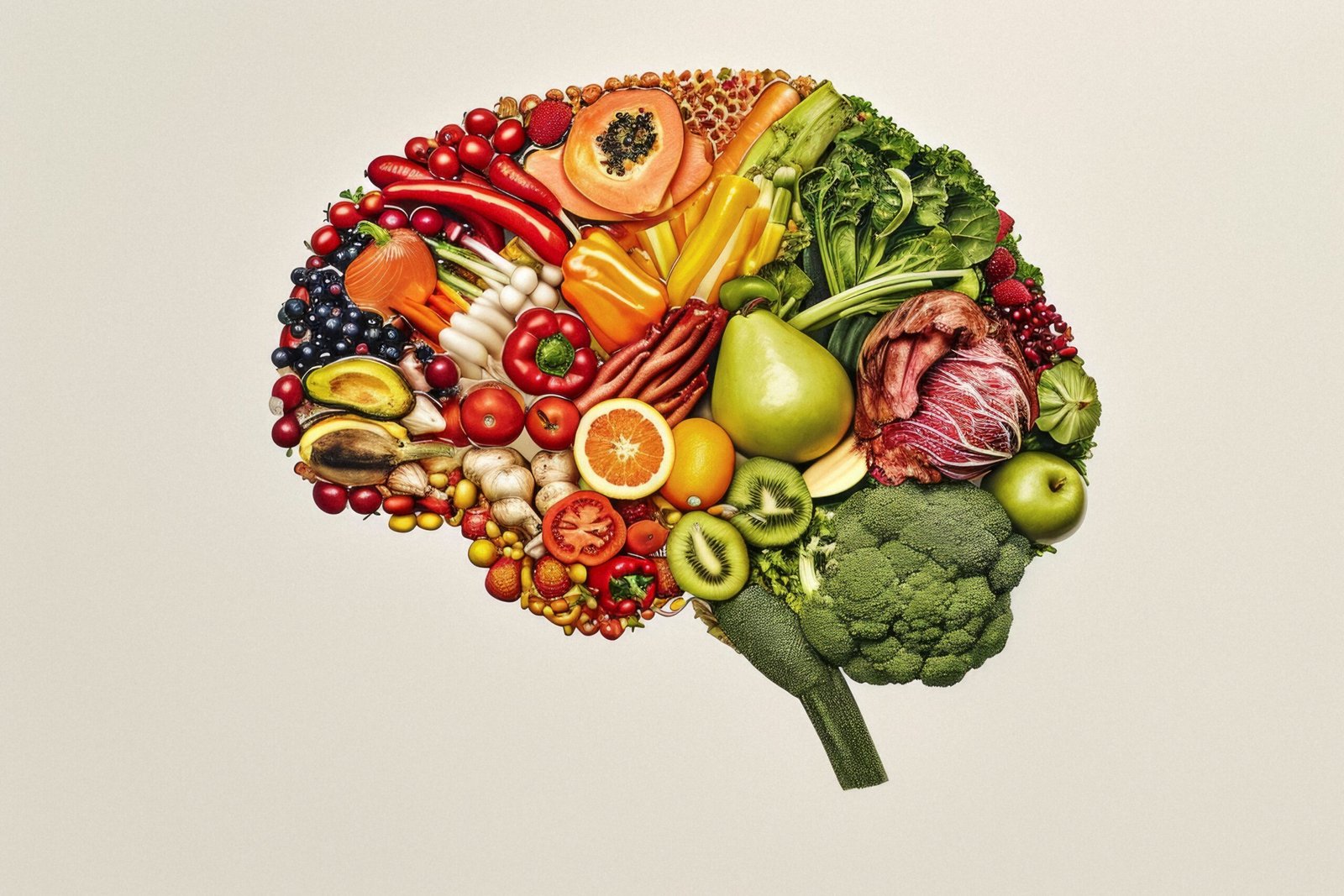
But insulin does not always operate with surgical precision, especially when the glucose rise is steep. Instead, it often overshoots, driving blood sugar back down below baseline. What follows is a state called reactive hypoglycaemia, typically 60 to 90 minutes after the meal, where blood sugar dips lower than where it started. The result is that the brain, which is only about 2 percent of your body weight but consumes a massive 20 percent of your glucose supply, suddenly finds itself under-fuelled. Unlike muscles, the brain cannot store energy for later; so when blood sugar drops, you feel it. Alertness declines, memory becomes sluggish, mood shifts, and motivation drops (1).
Compounding the issue, this crash often arrives just as your body is naturally hitting a circadian trough. Around 2 to 4PM, cortisol, the hormone that supports alertness, dips. If this dip coincides with low blood sugar, the fatigue and fog feel even more intense. This is the perfect storm that gives rise to the infamous 3PM slump. It is not just about poor dietary choices or lack of sleep; it is the intersection of meal driven glucose dysregulation and your body’s internal rhythm. Even in non diabetics, this phenomenon is remarkably common. You do not need a diagnosis of insulin resistance to experience the symptoms; yawning at your desk, craving sugar or caffeine, snapping at colleagues, or struggling to finish sentences you could have breezed through earlier in the day. This is not a moral failing; it is a metabolic mismatch between your food and your physiology, and importantly, it is fixable (1).
The Crash Cycle, Explained, and How to Break It
Understanding how to fix the 3PM crash means looking beyond the immediate blood sugar dip, and instead focusing on the full physiological loop it triggers – and what happens if that cycle repeats daily. When you consume a high glycaemic index meal, such as a sandwich made with white bread, a bowl of white rice, or even quick oats sweetened with syrup, your body experiences what the research describes as rapid starch hydrolysis. Carbohydrates are rapidly converted into glucose monomers and absorbed into the bloodstream all at once. This sudden spike leads to compensatory hyperinsulinaemia, meaning the pancreas releases insulin in excess to clear the surge (1).
Initially, that sounds efficient; but this sharp insulin response does not just bring glucose back to normal, it often drops it below normal, creating a dip that triggers a wave of compensatory responses. The adrenal system pumps out adrenaline and cortisol to restore balance. The hunger hormone ghrelin rebounds, even if you ate recently. Your brain, now running on reduced fuel, begins to struggle; working memory, attention span, and reaction time decline. Emotionally, this can show up as irritability, low patience, anxiety, or a sense of flatness that feels disproportionate to the situation (1).
These symptoms are not vague. In controlled studies, postprandial crashes are linked to measurable drops in cognitive performance and mood within 90 minutes of a high GI meal. Over time, repeating this pattern daily increases strain on insulin producing beta cells and promotes the very metabolic instability people are trying to avoid. This can contribute to early insulin resistance, even in individuals who otherwise consider themselves healthy. The fix lies not in eating less or relying on stimulants, but in changing the composition of meals so the glucose curve becomes flatter and more predictable (1).
When you consume a low GI meal rich in soluble fibre, protein, and healthy fats, digestion slows. Soluble fibre forms a viscous gel in the gut, delaying gastric emptying and spreading glucose absorption over a longer window. This prevents steep spikes, limits insulin overshoot, and keeps post meal blood sugar closer to the stable range where the brain performs best. This is not just theory; it is quantifiable. Research shows that adding soluble fibre to a meal can reduce post meal glucose spikes by 20 to 30 percent, even when calories remain unchanged. Swapping white bread for seeded wholegrain bread with hummus and vegetables, or pairing fruit with yoghurt and chia seeds rather than juice and pastries, can change how you feel 90 minutes later. So if you notice that mid afternoon haze, the snack drawer calling your name, or a creeping sense of mental fatigue, your body is not failing you; it is responding exactly as expected to a rapid glucose insulin loop. The solution is not deprivation, it is smarter fuel. When you shift from glucose spikes to glucose plateaus, energy stabilises, mood evens out, and the brain gets back online. By choosing low GI, fibre rich meals, especially earlier in the day, you align your biology with your circadian rhythm, and the crash becomes optional (1).
Your Afternoon Fix: Rethinking the 2PM Snack
By early afternoon, the physiological stage is set for a slump. After a high-GI lunch – think white wraps, pasta or rice bowls with sweet sauces – blood glucose levels soar, insulin follows, and by 2PM, levels have already begun to drop sharply. This is precisely when the body’s circadian rhythm is programmed for a natural dip in alertness, and if the meal was unbalanced, the crash hits harder. For many, the next move is instinctive – a quick coffee, an energy bar, or a handful of sweets. But far from solving the problem, these choices intensify it. Meta-analysis of 14 randomized controlled trials has shown that sugary snacks and caffeine create a transient 15 to 30 minute lift, followed by a more profound crash in mood, energy, and alertness compared to baseline (2).
This is not psychological; it is glucose and insulin dynamics in real time. A sugary snack or sweetened latte triggers a second postprandial glucose peak. The pancreas responds with another insulin surge, pushing blood sugar back down, often below baseline. The result is a second, deeper crash – marked by fatigue, cravings, poor concentration, and irritability. In real-life terms, that 3PM fog is not the result of too much screen time or laziness. It is a biological loop created by meal timing and composition, amplified by habitual choices. Caffeine, while masking initial fatigue, worsens the rebound by elevating cortisol and depleting adenosine stores, leaving the brain overstimulated but under-fueled (2).
The solution is not willpower; it is strategic nourishment. Replacing ultra-processed snacks with fibre, healthy fats, and low-GI carbohydrates supports a steady, slow-release fuel curve that aligns with natural energy rhythms. A sliced apple with almonds or a chia and berry yoghurt provides just enough glucose to maintain brain function, without triggering a hormonal seesaw. Satiety signals like GLP-1 and PYY are enhanced, keeping hunger and cravings at bay for several hours. Instead of cycling through spikes and dips, you get a smoother plateau – and with it, clearer thinking, calmer mood, and more consistent energy (2).
Fibre, Mood and Metabolic Control; The Underrated Fix
What begins as a flatter glucose curve does not stop at energy balance. The metabolic ripple effects of fibre extend well beyond digestion and absorption, reaching into mood regulation, inflammation, and even motivation. Once soluble fibre reaches the colon, it undergoes fermentation by gut microbes, producing short chain fatty acids like acetate, propionate, and butyrate. These metabolites act as chemical messengers between the gut, the brain, and metabolic tissues, influencing how the body handles stress, manages blood sugar, and regulates appetite. Butyrate, for instance, improves muscle glucose uptake by activating insulin signalling pathways like mTOR, even in the absence of insulin spikes. Propionate modulates satiety hormones from the distal intestine, while acetate contributes to the vagus nerve communication that supports stable mood and autonomic balance. This means the benefits of fibre are not limited to what happens in the first hour after a meal – they carry through the afternoon, buffering against energy dips and metabolic wear (3).
In clinical settings, these effects are measurable. Randomised controlled trials have shown that 10 grams of psyllium can reduce total postprandial glucose exposure by over 30 percent, while beta glucan from oats improves insulin sensitivity and lowers fasting glucose. Importantly, these effects are not dependent on weight loss or long term diet change. Even a single high viscosity preload – such as oat bran or guar gum added to a meal – can reduce the glycaemic impact of that meal by 20 to 40 percent. What the data consistently show is that viscosity matters; the more gel-like the fibre becomes once hydrated, the more pronounced the flattening of the glucose curve. This physical property is what turns everyday foods into metabolic stabilisers (3).
Equally compelling is the brain connection. The hippocampus, responsible for memory and learning, depends on stable glucose availability. Sudden drops in blood sugar – even those not severe enough to be classified as hypoglycaemia – impair working memory and increase mental fatigue. Viscous fibres reduce these fluctuations, helping preserve cognitive clarity through the mid-afternoon period. The same fibre-induced stability also tempers the release of cortisol and adrenaline, preventing the inflammatory cascade often triggered by blood sugar swings. In this way, fibre does not just feed the gut – it quiets the stress axis, sustains mental performance, and supports the physiological rhythm of the day (3).
Where FiiHii Frinks® Fit In: Smart Fuel for the Afternoon Curve
This is exactly where FiiHii Frinks® come into play – not as a sugary fix, but as a science-aligned solution. Each Frink is built on the metabolic principles explored above: whole-food fibre, slow-release carbohydrates, healthy fats, and naturally synergistic nutrients that flatten glucose curves, stabilise energy, and extend cognitive clarity well into the afternoon. Instead of triggering another spike-crash cycle, they work with your biology – especially during the post-lunch period when blood sugar is vulnerable and the brain is energy-sensitive.
- Cocomangofango Frink
Blood Sugar + Energy Role:
This tropical blend may taste like a treat, but it works like a metabolic buffer. The soluble fibre from strawberries and kiwi helps slow the digestion of natural fruit sugars, while the healthy fats from raw coconut extend glucose release over several hours. Bromelain, an enzyme found in pineapple, supports protein digestion, enhancing the post-meal insulin response without triggering a spike. This Frink is especially effective for those who want to maintain steady mental energy without stimulants – ideal for mid-morning or early afternoon when fatigue creeps in.
- Orchard Frink
Blood Sugar + Satiety Role:
Orchard is the most glucose-centric of the Frinks, designed to flatten post-meal glycaemic curves using pectin-rich apples, pears, and citrus. Pectin forms a viscous gel in the gut, delaying glucose absorption and triggering satiety hormones like GLP-1. Paired with zinc, magnesium, and iron from pumpkin seeds, this Frink also supports insulin signalling, nutrient metabolism, and red blood cell oxygen delivery. It is a stabilising force – perfect for lunch or as a 2PM snack to prevent reactive dips and sugar cravings.
- P‑Power Frink
Blood Sugar + Hormone/Mood Role:
P-Power is a gut–brain axis powerhouse. It combines natural laxatives like sorbitol from prunes with both soluble and insoluble fibre, delivering predictable digestive regularity and smooth glucose handling. Flax seeds provide omega-3s, which have been shown to enhance insulin sensitivity and modulate inflammation-related mood swings. With its high fibre load and hydrating fruits, P-Power keeps both digestion and energy steady – particularly helpful on days when sluggishness, brain fog, or hormonal swings hit hard.
- Traffic Light Punch Frink
Blood Sugar + Brain Function Role:
The strongest polyphenol blend in the lineup, this Frink uses anthocyanin-rich berries and grapes to combat inflammation and oxidative stress. Its chia seed content offers both omega-3s and mucilage gel, which slows gastric emptying and reduces post-meal glucose excursions. What sets this Frink apart is its cognitive support – anthocyanins have been shown to enhance memory and protect against blood sugar–related brain dips. It’s your go-to Frink for demanding mental work, mood support, or balancing a sweet craving without the crash.
- Summer Love Frink
Blood Sugar + Metabolic Resilience Role:
With dried apricots, sesame seeds, and citrus, Summer Love is a micronutrient-rich Frink that supports sustained energy through several pathways. The fibre slows glucose uptake; the iron and vitamin C combination boosts oxygen transport and immune function; the sesame seeds provide calcium and healthy fats that support fat-soluble vitamin absorption. This Frink is particularly useful for bridging the lunch-to-dinner window – when blood sugar naturally dips and nutrient depletion can lead to fatigue and irritability.
- The God Yoghurt Frink
Blood Sugar + Stress Support Role:
This Frink combines slow-release carbs (banana, blueberries) with fat and protein from avocado, hemp, and spinach – the perfect storm for keeping energy steady under pressure. Magnesium and vitamin B6 support the HPA axis, reducing the risk of stress-related cortisol spikes that worsen blood sugar volatility. Its low-GI profile makes it ideal for any time of day, but particularly effective as a “brain-calming” 3PM snack, when both mental focus and metabolic balance are vulnerable.
Check the different options here – Buy Now!!
References:
- Vlachos, D., Malisova, S., Lindberg, F.A. and Karaniki, G. (2020). Glycemic Index (GI) or Glycemic Load (GL) and Dietary Interventions for Optimizing Postprandial Hyperglycemia in Patients with T2 Diabetes: A Review. Nutrients, [online] 12(6), pp.1561–1561. doi:https://doi.org/10.3390/nu12061561.
- Giuntini, E.B., Hoffmann, A. and Wenzel, E. (2022). The Effects of Soluble Dietary Fibers on Glycemic Response: An Overview and Futures Perspectives. Foods, [online] 11(23), pp.3934–3934. doi:https://doi.org/10.3390/foods11233934.
- Konstantinos Mantantzis, Friederike Schlaghecken, Sünram-Lea, S.I. and Maylor, E.A. (2019). Sugar rush or sugar crash? A meta-analysis of carbohydrate effects on mood. Neuroscience & Biobehavioral Reviews, [online] 101, pp.45–67. doi:https://doi.org/10.1016/j.neubiorev.2019.03.016.